
The lowdown
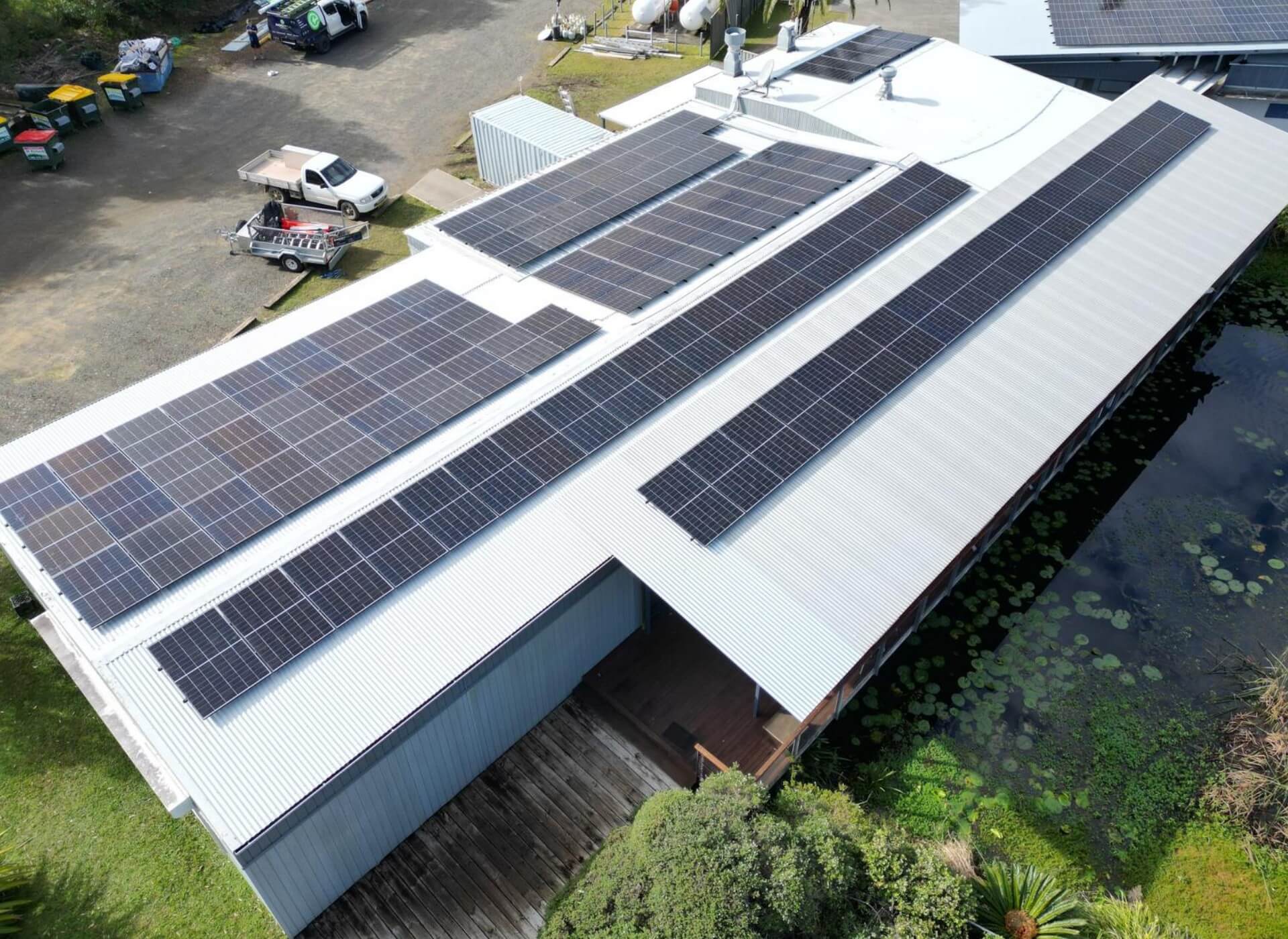
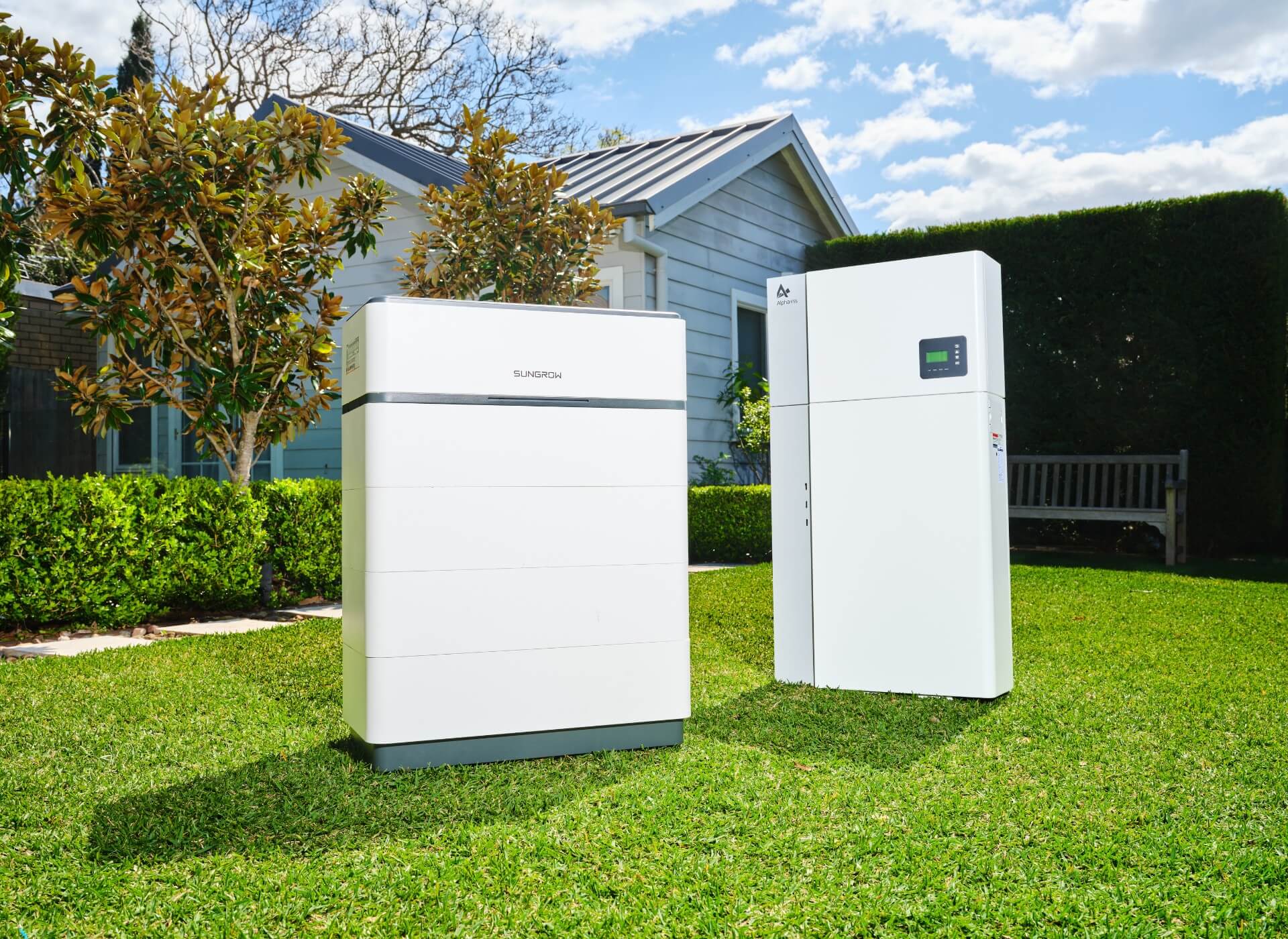
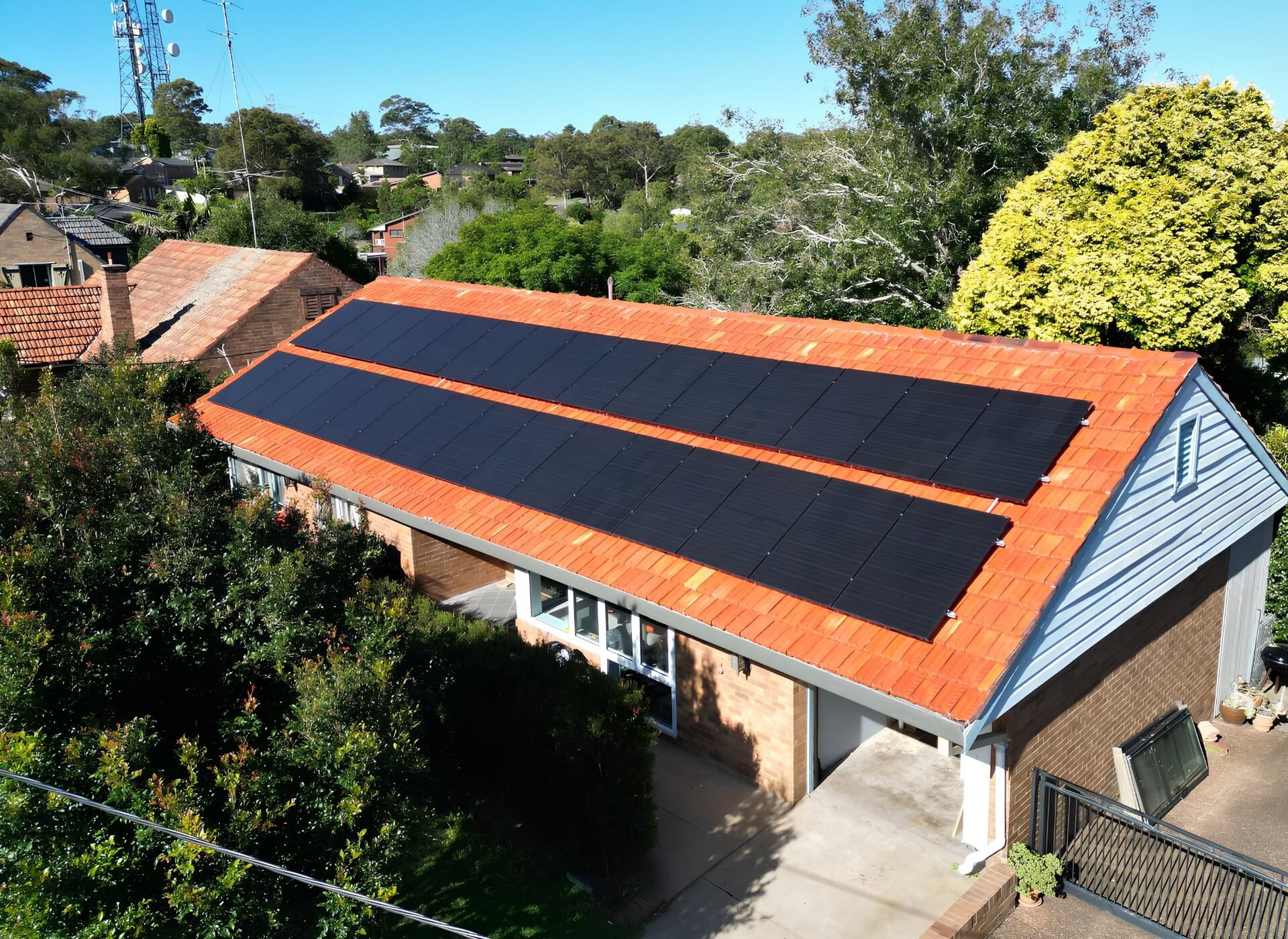
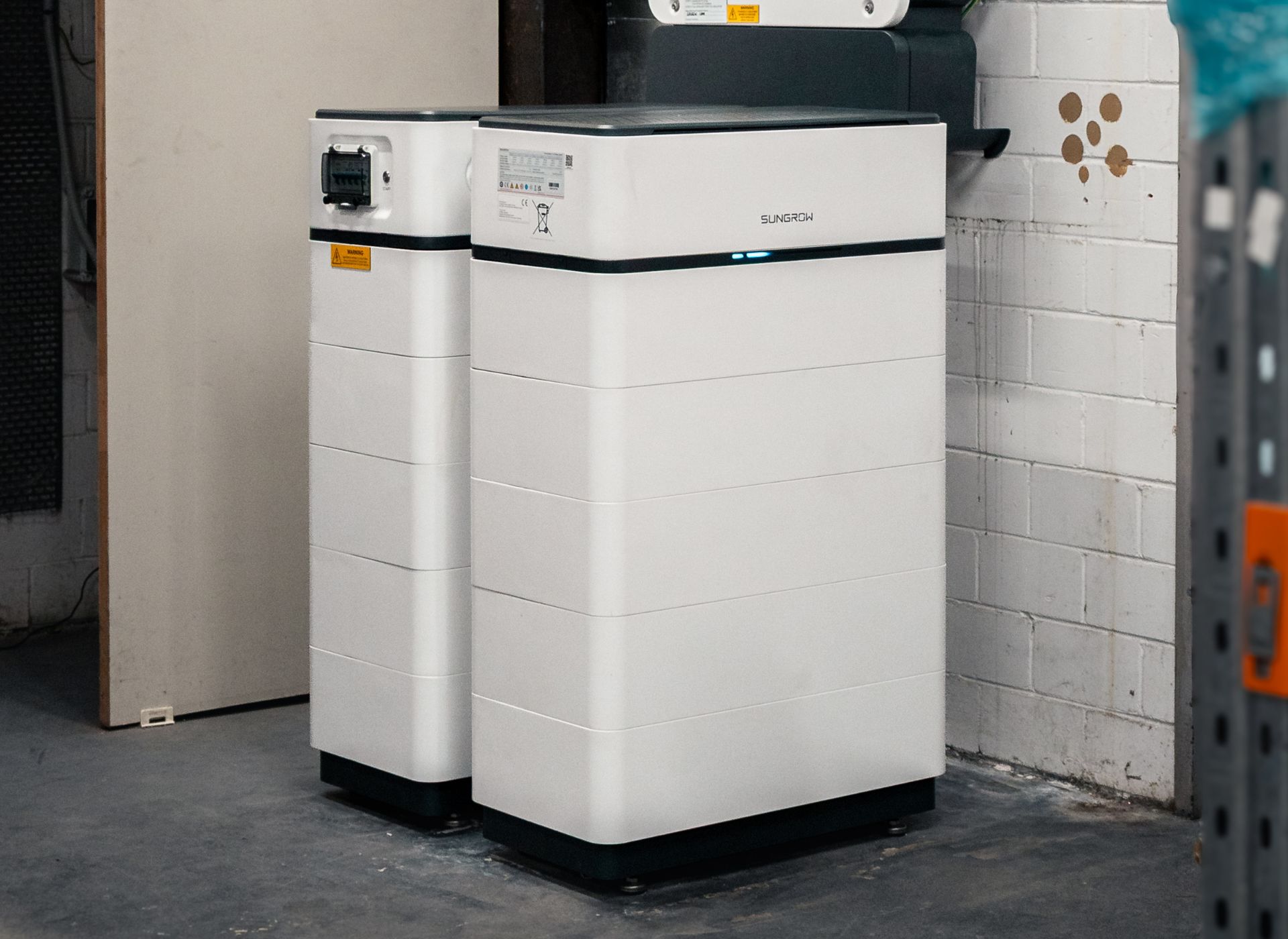
The NSW Government's Peak Demand Reduction Scheme or PDRS for short. It’s the talk of the town in the commercial solar and business solar world and for good reason. It is a huge opportunity for NSW businesses to get a whopper of an upfront discount off the installation of a solar battery and the best bit, if you install solar at the same time, you will get an even bigger upfront discount.
If you own or run a business in NSW and pay a power bill, you are crazy if you don’t seriously look into the new NSW Government's commercial battery (and solar!) rebate. Plus, we do a feasibility study, site assessment, product recommendations and a quote for free so seriously, do yourself a favour and have a good look into it.
This is the biggest commercial battery rebate we have ever seen in Australia. The upfront incentives to install a battery to support your businesses energy usage and demand, offsetting your energy bill have never and may never again, be bigger or better.
The scheme will allow you to access an upfront point of sale discount of around a few thousand all the way up to over $1m. It scales with you so the more you install, the bigger the discount.
We will break it down so you can understand how big of an opportunity it is, how it will impact you and what you can do to get the most out of the program for you, your business, your back pocket and all while your supporting the grid and the environment. P.S. Moving forward we will just call the scheme the PDRS for short.
What is the NSW Peak Demand Reduction Scheme (PDRS)?
The PDRS is a scheme designed to financially support activities that reduce peak demand on our energy grid.
Our grid wasn’t designed for the load it has to support today. You don’t have that many options to fix it. Either upgrade it or reduce the demand on it. There aren’t too many other roads you can go down. The NSW Government takes a hybrid approach. Fix and upgrade a bit and then put financial incentives in place to reduce demand and thus we have the PDRS.
The #1 thing our grid struggles with is huge peaks in demand.
Imagine it’s a corner shop. During the day, it’s pretty good. A few customers come in, buy what they need and leave. If you could have a steady flow of customers all day, that would be great. But imagine that same shop, just before it closes, every single day has 50 customers walk in the door! Chaos. That is exactly what happens to our grid. We have generally long predictable periods of steady usage and then peak periods of high demand which can in turn, cause big problems. And like anything, humans always remember the bad more than the good.
How does the program work?
The program is designed to give you an upfront discount based on the size of the installation you opt for. Basically the bigger the battery, the bigger the discount. They do this by giving you something called a Peak Reduction Certificate, or PRC for short. These are certificates that businesses buy and trade depending on their statuary and internal requirements. Basically, it’s like a share that you get in return for installing something that reduces load on the grid.
When you install your battery or solar system, this creates the right for an Accredited Certificate Provider (or ACP for short) to create these PRCs. As part of the process, you nominate the ACP as the “capacity holder”. The ACP then creates and trades the certificates and converts their expected value into the upfront discount shown in your quote. Functionally this means, you get a value for them and you get it as an upfront discount.
PRCs are a little like tradeable shares in the sense that they have a market value, but they are created and traded by the nominated ACP rather than handed directly to you
There is some more complex maths that goes into calculating how many of these certificates you will be eligible for based on what you install but we do all of that for you. The NSW Government then mandates certain companies have to buy or create a certain amount of these every year based on how much energy they provide during peak periods.
If you really want to learn more about the PRC program you can dive deeper but that is the crux of it.
There are categories which dictate what products and sizes etc are eligible and then what discounts you are eligible for which we break down further below.
The moral is, if you installed a battery (and solar if you want) as part of the PDRS you will be rewarded with some PRC’s which are then turned into a cracker of an upfront discount
How is the PDRS commercial battery discount calculated?
The upfront is calculated based on how many PRC’s you get. The way that is calculated is in two key parts.
How big is the battery you have installed?
And;
Are you installing solar at the same time (or within 90days either side of the battery being installed)?
The cool kicker the Government included is the solar element. If you install a battery you get a great discount, if you install solar within 90 days either side you get a cracker of a boost in PRCs and thus a much bigger discount. It's a way the NSW Government recognises that a battery installed alongside new solar is more valuable to the grid than a battery added to an older solar system.
Does that mean you have to get solar when you get your new battery? No, absolutely not. It just means if you do, you will get even more of a discount. You can check out the table below to get a sense of some of the discounts available, but it’s best to reach out to our team and work out the right system for you and then get the best discount possible for your position. Plus, it’s free to get a feasibility assessment and quote so why wouldn’t you? You can request your feasibility assessment here.
Once you know how many PRCs you are entitled to, that is then multiplied by the value they can be traded for and you have yourself your upfront discount.
Can the PDRS commercial battery rebate stack with other incentives?
YES! One of the great things about this program, it stacks. If you are getting solar that is entitled to STCs for example, you 100% get them on top of this program.
There are some programs that might not stack at say, council level but they are generally inconsequential so it doesn’t matter anyway.
If you aren’t sure or keen to work it out more accurately, just reach out to our commercial team today.
PDRS battery categories
The program is broken up into categories. For this category it is called BESS which is short for Battery Energy Storage System. From there, it goes BESS1, BESS 2, BESS3, BESS4 and BESS 5.relate primarily to smaller household and small business battery activities, while BESS3 covers apartment buildings. Today we will focus on the larger commercial categories, BESS4 and BESS5.
Here our focus is the big end of town which falls into BESS4 and BESS5.
BESS4 is for Small to Medium Business.
The titles that have been given don’t really matter that much because at the end of the day and what that translates into is, it supports batteries that have a usable battery capacity of greater than 20 kWh and up to 200 kWh. While 200kWh is a pretty big battery, a small to medium business still might need something bigger so it’s really just focused on battery sizes, don’t worry about the titles too much.
BESS5 is for Commercial, Industrial & Community Batteries. Big dogs. These are batteries that have a usable battery capacity of greater than 200 kWh and up to 30,000 kWh (30 MWh). It’s a huge category but since the rebate scales with the installation size, it doesn’t really matter anyways.
For this category though, while they support batteries up to 30 MWh’s they only pay the incentive on the first 10MWh’s. Still huge but a very important note.
What size commercial battery should you get?
This is one of the most common questions we get asked and there is no simple answer. Picking the right sized system is determined by lots of different factors like your current energy usage, your peak demand, your lowest demand point, what your future plans are, how long you plan to be in your current premise, the list goes on.
The best bet is to speak to a specialist (us). Simply put in a commercial quote request here and one of our commercial experts will reach out and provide a free assessment of your business and feasibility study. When you are getting into this end of town, it’s best to just speak to an expert.
How big will your NSW commercial battery rebate be?
A great question and one that is driven by two key drivers. The size of the battery you are installing AND if you are installing additional solar within 90 days either side of your battery installation. The table below gives you a high level understanding of some of the combinations of battery sizes with solar and what rebates could be on offer. The example sites are very ballpark so don’t take them as gospel, they are just there to help illustrate what each could mean.
I can’t stress enough, just reach out and get a quote. It’s free and easy and you can see exactly what would make sense for your business.
Do you have to pay a minimum contribution for the PDRS?
For BESS4, Yes. The minimum you need to pay is $5k. The government hasn’t said why they have done this but my guess is, this mechanism has been built into the rules mostly to protect businesses so we don’t have any rogue operators giving “free” batteries away. The government wants to make sure you are engaged in the process, are getting the right product and they aren’t just giving free money away for the wrong system.
For BESS5, no. These systems are quite large and the general dynamics are a bit different so at this stage, it is a case by case basis, and from what we can see, no customer contribution is required. Always best to check first though.
What ROI can you expect on a commercial battery?
This is very much driven site by site, business by business. System returns generally range from 2 to 5 years but depending on what you are trying to achieve, they can vary either side of that range. It’s best to speak to an expert and get an actual site assessment and feasibility study. We do them for free so it’s kind of crazy not to.
To be clear, 2 to 5 years is not a universal expected return, but generally what we see.
For more context, some of the factors that will end up impacting your return on investment in no particular order are:
- Energy arbitrage
- Increasing self-consumption of solar
- Avoided demand charges
- Reducing grid imports during expensive periods
- Export revenue
- Potential demand-response or VPP income
- Backup-power value
- Financing costs
Is my business eligible for the PDRS commercial battery rebate?
I am renting, can I still get it? Can a landlord install a battery serving a tenanted building?
These are the sort of questions we answer every day. The short answer to all of these with some caveats, is yes.
A tenant, landlord or property owner may be able to participate, but the installation must satisfy the scheme requirements and the person arranging it must have the necessary authority and approvals for the property. Eligibility depends on the building use, system design, equipment, network approval and installation arrangements.
I am a bit of a broken record but as always, given it can be a bit complex to fully establish on your own, just reach out to our commercial team. We are more than happy to help to make sure you get it spot on.
What approvals and site works are required?
This is completely driven by the site and the products being installed. Often, it’s very simple. The most important is a permission to connect or as it is commonly known in the industry, a PTC. This is a submission to your distributor (AusGrid in lots of Sydney for example) that basically says, hey, we are going to install this battery and some solar, here are the electrical diagrams and then you pay a fee for submission. Generally, they are then approved and we all move on.
The great part, we handle everything! You don’t need to worry about anything from an approvals perspective. We might need some paperwork along the way but we cover all of the administration and costs.
Smaller solar and battery systems generally get approved very quickly, purely because it’s a more simple proposition for the distributor while big ones can take more time.
If your site is particularly complex or if there is some structural work required, that is all tackled on a as required basis and always planned for.
Does your battery need to be VPP-connected?
Short answer, no. The government is basically saying at this stage, we aren’t making you join a Virtual Power Plant or demand response aggregator but we want to make sure the products being installed are match fit for the future and thus just need to be capable of doing those things.
You should 100% consider your options as it can be a wonderful way to optimise your battery or solar and battery for your business but you don’t have to.
The exact wording from the big dogs is:
“BESS5 battery must be internet-connectable and controllable by a Demand Response Aggregator.”
And honestly, in most cases they should be out of the box anyways. I would be asking some questions if they weren’t.
Is the PDRS commercial battery rebate tax deductible?
Speak to your accountant is our official response.
We are renewable energy experts, not tax experts. We know what we have seen our customers do historically but we don’t want to be the ones that say, “yeah, save same tax, great!” and then god forbid for some reason you can’t.
Best thing though, just speak to your accountant to make sure you are getting the most out of your assets from a tax treatment perspective. No one likes paying tax!
Summary
The reality is, this is a huge opportunity for businesses in New South Wales to get a big discount when installing a battery or a battery and solar. If you own or run a business and pay an energy bill, you should reach out to our team and get a free assessment and feasibility study today. Worst case scenario, you walk away knowing more about your energy situation. Best case, we arrange a wonderful battery or solar and battery system for you, you access a juicy discount from the NSW Government and you punch your energy bills in the face.
Ready to get the ball rolling? Request a free commercial feasibility assessment now.
Frequently asked questions
The NSW commercial battery rebate is delivered through the Peak Demand Reduction Scheme (PDRS). It gives businesses installing a battery (or a battery with solar) an upfront point-of-sale discount funded by Peak Reduction Certificates (PRCs). The bigger the system, the bigger the discount.
It scales with the installation size. A small retail shop installing a 25kWh battery and 6.25k of solar could get around $2,925 off. A large factory installing a 1 megawatt-hour battery and 250kW of solar could get around $234,000 off. Community-scale installs could get over $1M. See the estimated PRC table above for examples.
It officially goes live on the 1st of September 2026. You can (and should) start getting quotes right now because a commercial solar and battery install takes time to design, quote, approve and install. If you wait until the 1st of September, you're already behind.
No. You can install a battery on its own and still get a great discount. However, if you install solar within 90 days either side of the battery, the number of PRCs you earn jumps significantly, which means a much bigger upfront discount. The government does this because a battery paired with new solar is more valuable to the grid.
Yes, in most cases. Tenants, landlords and property owners can all potentially participate in the scheme. The installation still needs to meet the scheme's technical and approval requirements, and whoever arranges it needs the right authority for the property. Every situation is a bit different, so it's worth a quick chat to confirm.
You don't. We do it for you. Once you've decided what system you want, we apply the scheme's incentive as a point-of-sale discount and handle all the paperwork with the Accredited Certificate Provider on your behalf. You get the discount, we handle the admin.