
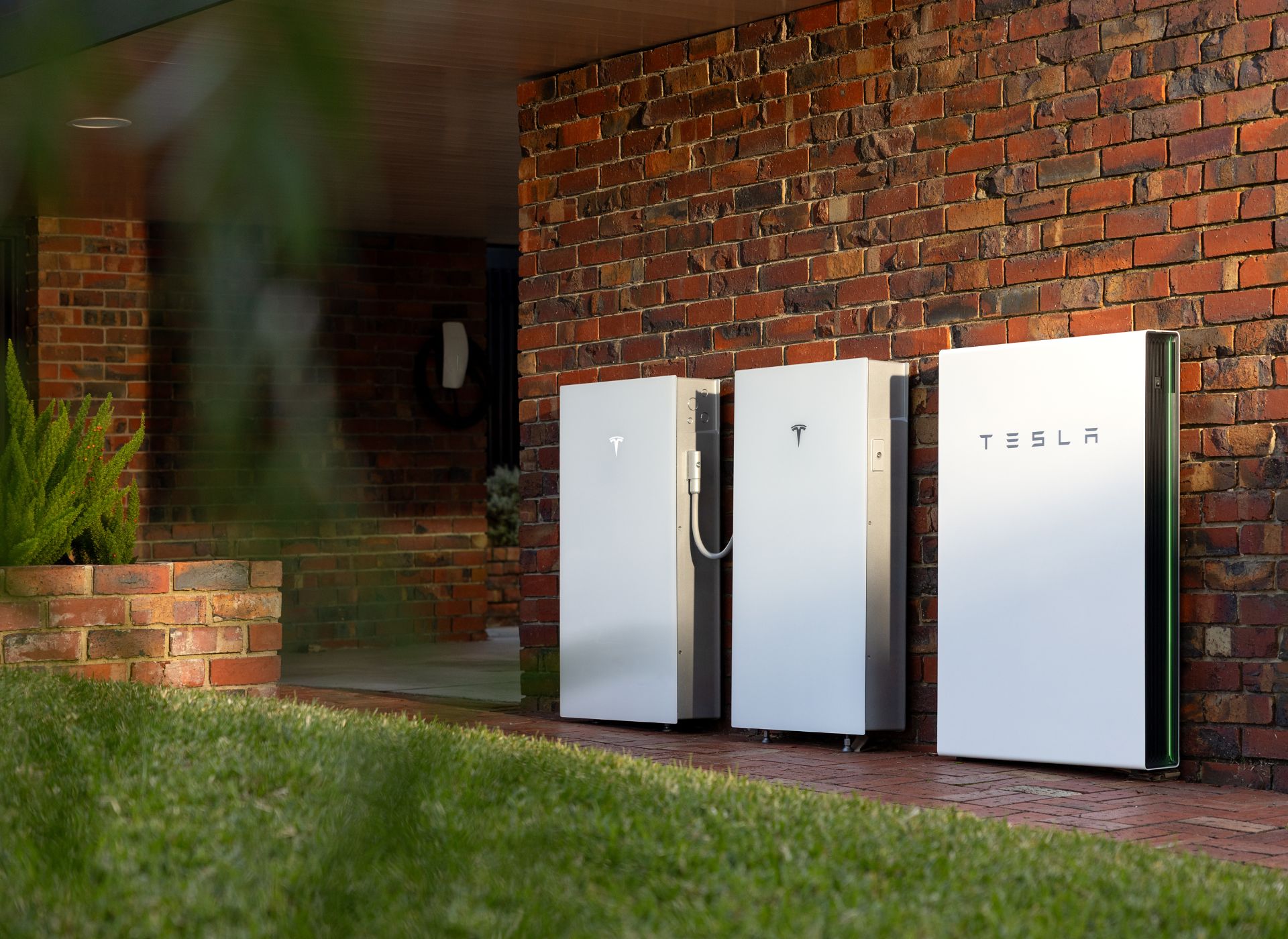
Buying a home battery can be one of the smartest upgrades you make, especially if you already have solar. But there are some surprisingly common mistakes that Aussies make that can turn a smart investment into a bit of a headache.
This is your “don’t get stitched up” guide to buying a battery, so you can get it right the first time.
Mistake #1 - Analysis paralysis
The first - and honestly biggest - mistake is not getting a battery at all.
So many people get stuck comparing products, waiting for the “perfect deal,” or overthinking every decision. Meanwhile, electricity prices keep rising, and the rebate steps down over time.
A well-sized solar battery starts saving you money the moment it’s installed. The key is choosing a trusted retailer and a system that suits your home so you can start saving instead of sitting on the fence.
Mistake #2 - Going too cheap upfront
A cheap home battery quote can be tempting, but it’s usually a red flag.
Low-cost batteries can mean lower safety standards, shorter lifespan, poor warranty coverage, and limited local support. In the worst cases, a bargain battery can be unsafe, too.
If a quote is dramatically cheaper than the rest, ask why, and make sure you’re comparing apples with apples. The best home batteries are backed by strong safety certifications, proven performance, solid warranties, and reliable Australian support.
Mistake #3 - Not having enough solar for your battery
One of the biggest issues we see is people buying a battery… without enough solar to actually charge it.
Think of it like this: your battery isa schooner glass. Your solar system is the tap. If the tap barely drips, the glass never fills.
A large home battery paired with a small solar system often ends up charging from the grid, which can defeat the purpose and reduce your savings.
That said, for some households, grid charging isn’t always a bad thing. Off-peak and smart charging plans can work really well alongside a home battery, especially if you can schedule charging during cheaper (or even free) windows.
A great setup can combine both: enough solar to charge your battery during the day, plus smart top-ups from the grid when it makes sense, like off-peak charging overnight or on cloudy winter days when solar production is lower.
The key is balance. Allowing some space for low-cost top-ups can be smart, but drastically oversizing your battery without enough solar to support it usually isn’t recommended.
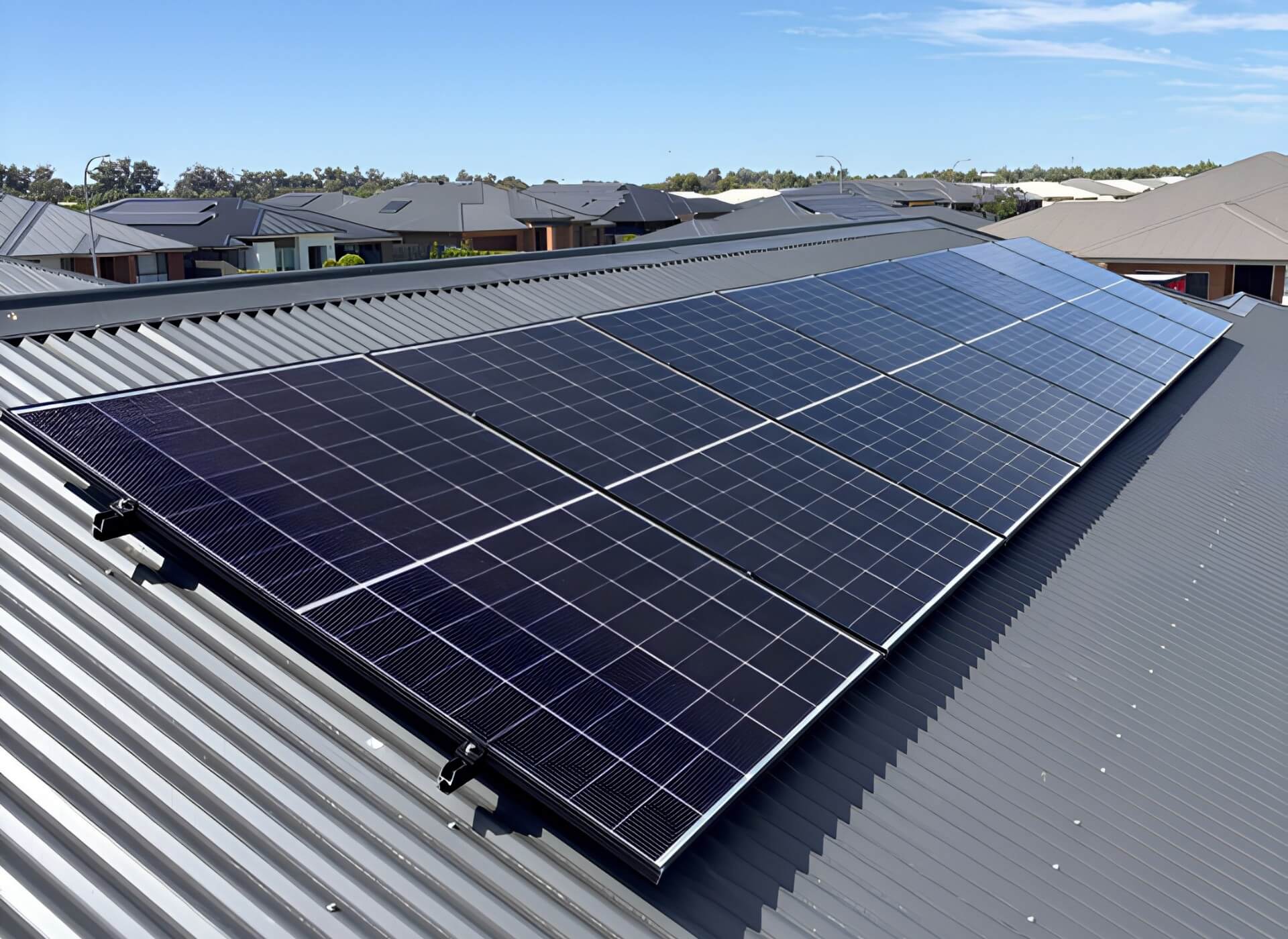
For many households, a solar system around 10kW is ideal if roof space allows, especially if you want a battery to stay charged year-round. If you can’t fit enough solar, avoid oversizing your battery.
Mistake # 4 - Not considering your options
Some people latch onto the first battery brand they hear about and stop looking. It might be the right one but, depending on your home and usage, there might be something that more closely suits your requirements.
Different home batteries offer different benefits, such as:
- better pricing
- higher power output
- modular expansion options
- stronger warranties
- better local support
A good retailer (*cough* us) should help you compare solar batteries properly and recommend the right fit based on your energy use, not just what’s trending online.
Mistake #5 - Assuming all batteries give you backup power
This is one of the most common misunderstandings.
Not every battery will keep your home running during a blackout. Some batteries only back up a few essential circuits, whilst others can power your whole home. Plenty of systems don’t include any backup hardware by default.
Some retailers leave blackout protection out of the quote to make the price look cheaper, then it becomes an unexpected cost later or, worse, it never gets done at all.
Always double check that blackout protection is included and what it will actually power.
Mistake #6 - Confusing capacity and power
Another area that confuses a lot of people is the difference between kW and kWh.
Capacity is measured in kilowatt-hours (kWh), which is the total amount of energy your battery can store. If we go back to the schooner analogy from earlier, it’s how much beer you can fit in your schooner.
Power is measured in kilowatts (kW) and is how fast your battery can deliver that energy through your inverter.
For example, a 10kWh battery with a 5kW inverter can run a 5kW load for two hours.
When you install your system, ensure your retailer sizes both capacity and power output for your home’s real needs.
Mistake #7 - Assuming you can just “add more battery capacity later”
A common idea is: “I’ll just start small and add more battery capacity later. Whilst that does sound sensible, it’s only possible if your system allows it.
Some systems are modular and easy to grow. Others can’t be expanded at all. Some only allow expansion with exactly the same model or generation of battery, which may be discontinued or unavailable by the time you decide to upgrade to more storage.
If you know you’ll want more capacity down the track, choose a modular system or, even better, size your battery properly from day one.
Mistake #8 - Missing out on rebates
The Cheaper Home Batteries Program gives you a rebate once based on your battery’s total capacity. If you install a small battery now and want to expand later, you can’t claim the rebate again, which means missing out on a huge amount of savings.
Get the right size the first time, and maximise your rebate while you can.
Mistake #9 - Not planning for future energy use
Your energy use today won’t be the same as your energy use in two years. Maybe you’ll get an EV, install air-con, or ditch gas entirely, all of which requires more battery capacity.
If you size your system only for right now, you can box yourself in later, so plan ahead to ensure your system suits tomorrow, not just today.
Mistake #10 - Thinking you can’t add a battery to existing solar
If you already have solar, you can add a battery.
If your inverter is hybrid-compatible, a battery install is more straightforward. If not, we can simply add an AC-coupled battery, which works alongside your existing system.
Almost every modern solar system is battery-ready, so don’t let anyone tell you otherwise.
Mistake #11 - Overlooking warranty and support
The simplest mistake of all is not checking the warranty and support behind the system.
Some warranties cover parts only, not labour or freight. Others become worthless the moment the retailer or manufacturer disappears.
When choosing a home battery, make sure the system is backed by:
- a strong manufacturer warranty
- clear warranty coverage terms
- Australian support
- a retailer that will still be around in 5–10 years
At Green.com.au, our support team is based in Australia. We’re real people you can actually call if you need help.
Avoid these eleven mistakes and you’ll end up with a system that’s safe, reliable, and actually saves you money for years. If you’re ready to get smart about storage, request a free quote from our team at Green.com.au.
Frequently asked questions
Not getting one at all. Analysis paralysis costs Aussie households thousands in lost savings every year while electricity prices keep climbing. The second biggest is going for the cheapest quote without checking safety standards, warranty terms and installer support. Both are easy to avoid with a bit of upfront research.
Yes, in almost every case. If your inverter is hybrid-compatible, a DC-coupled battery install is straightforward. If not, an AC-coupled battery works alongside almost any existing solar system by connecting through your switchboard.
No, and this is a common source of buyer's remorse. Some batteries only back up a few essential circuits, others can power your whole home, and plenty don't include any backup hardware by default. Always ask specifically: does this quote include blackout protection, and what exactly will it power?