.webp)
Solar's never been cheaper to install. Power bills have never been higher. So the maths on going solar in 2026 is the strongest it's ever been. But "strong maths" still leaves a few questions. Like: how much will you actually save? Is a solar battery worth it? When does the system pay itself off?
Plug your state and your bill into the calculator below. Drag the sliders. See the numbers update live.
Solar savings calculator
How much can solar actually save you in 2026?
Here's a quick solar savings estimate for a typical Aussie home (6.6 kW system, $400 to $500 quarterly bill):
- Solar only: $1,200 to $2,000 per year off your bill
- Solar plus battery: $2,000 to $3,500 per year
- Battery added to existing solar: an extra $800 to $1,500 on top of what your solar's already saving you
Want accurate savings numbers tailored to your home? Request a free tailored solar quote.
Solar only or solar plus battery: which saves more?
Solar only saves the most per dollar spent. The upfront cost is lower, the payback is faster, and you start cutting your daytime power costs straight away.
The catch: the average household only uses about 30% of what their panels generate. Meaning the other 70% gets exported to the grid for a feed-in tariff that's usually under 7 cents per kWh.
Then, when the sun clocks off, you buy electricity back from the grid at night for around 30 to 44 cents per kWh. Massive arbitrage going the wrong way.
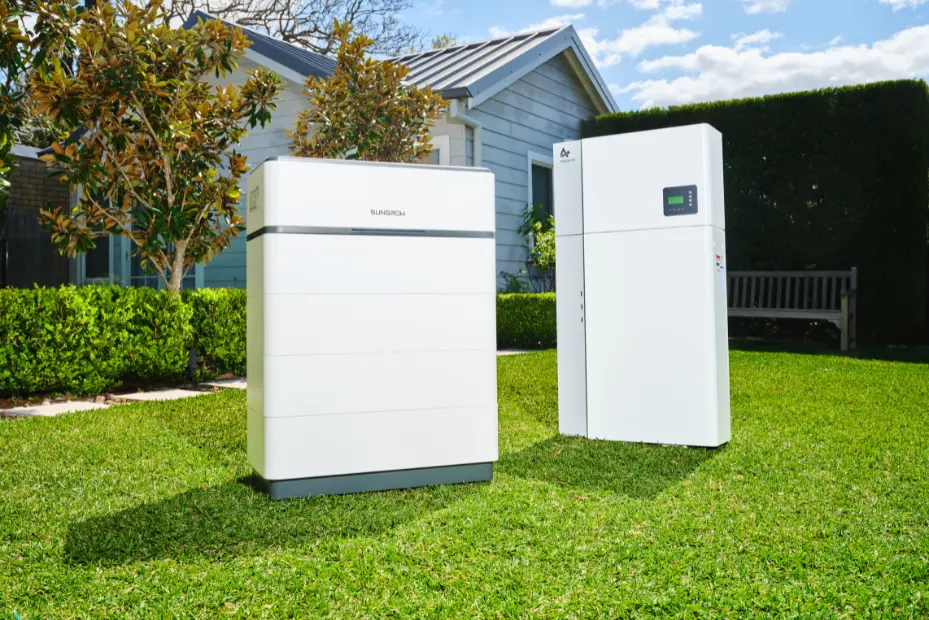
A battery changes the equation. It stores your surplus solar during the day and uses it when the sun stops shining. Self-consumption jumps from around 30% to around 85% on average. The result: bigger annual savings, but the upfront cost is higher so the payback stretches out a little bit.
The federal Cheaper Home Batteries Program rebate makes batteries make a lot more sense for most homes. Full rundown of the battery rebate here.
What affects your solar savings
The calculator gives you a strong starting point, but your actual savings depend on your home, roof, energy habits, and electricity plan. Here's a few key factors:
- Location: Solar production varies by state. Sunnier spots generally produce more power.
- Roof orientation: North-facing panels are the gold standard. East and west can still perform well. South-facing panels usually produce less, so your estimate may need to be adjusted down.
- Shading: Even small amounts of shade can hit your output.
- Tariff type: Flat rates and time-of-use tariffs change when your solar power is most valuable.
- Your retailer's FIT: The calculator uses state averages. Yours might be better or worse.
- Day vs night usage pattern: Homes that use more power when the sun isn't shining usually get more value from a battery.
- Electricity price trends: The calculator assumes 15% rate growth over 10 years (probably conservative)
How to get a more accurate estimate
The calculator's a great starting point but a real number for your home needs a proper assessment, which we can do for you!
We’ll look at your roof, usage, location, system size, battery options, and rebates to give you a clearer picture of what solar could save you. Your tailored quote will also include an accurate estimate of your payback period, so you can see how long it should take for the system to pay for itself.

Related articles

Game On grant: up to $100k for community sports clubs
NSW interest-free solar and battery loans: Home Energy Saver explained