
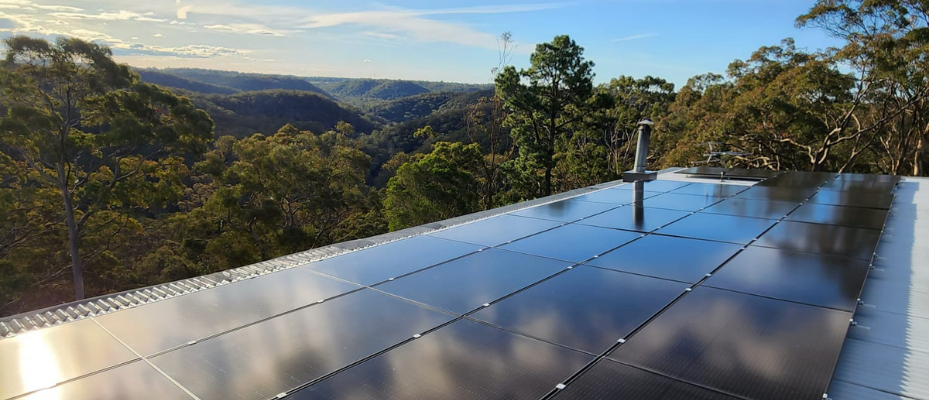
A 13kW solar system sits at the upper end of residential solar in Australia. It's the kind of system that suits big homes, big bills, big plans, and pretty much anyone who's thinking five years ahead instead of just trying to slap something cheap on the roof.
Get it right and a 13kW system can wipe out a huge chunk of your electricity bills, charge an EV, run a heat pump, charge a battery, and still send excess solar back to the grid. Get it wrong and you'll have a system bigger than you need, or one that's been crippled by export limits.
Here's everything you need to know about 13kW solar systems in 2026.
What is a 13kW solar system?
A 13kW solar system is one with a total panel capacity of around 13 kilowatts. The "kW" refers to the maximum potential power output of all the panels combined under standard test conditions.
It's considered a large system in residential terms. Most Aussie homes start at around 6.6kW (the "entry-level" size), step up to 10kW for medium-to-large households, and reach 13kW or beyond for the big users.
A 13kW system tends to suit:
- Homes with quarterly electricity bills over $700
- Larger households with high daytime usage
- Homes with electric cars (or planning to get one)
- Homes with a battery (or planning to add one)
- All-electric homes (induction cooking, heat pump, electric hot water)
- Homes with pools or large appliances
- Three-phase properties, which can install bigger systems without export limits
- Anyone serious about future-proofing
How many solar panels are in a 13kW system?
Depending on the panel wattage, you're looking at:
- 26 to 30 panels using modern 440W to 480W panels
- 33 to 36 panels using older 360W to 400W panels (rarely installed in new systems anymore)
Most modern 13kW installs land between 26 and 30 panels.
How much does a 13kW solar system cost in Australia in 2026?
A 13kW solar system in Australia in 2026 typically costs $11,000 to $14,000 fully installed, after the federal STC rebate is applied.
What affects the price:
- Panel brand and quality. Premium brands cost more than budget bands.
- Inverter brand and type. A 13kW system usually uses a 10kW string inverter (with the panels oversized at 130%) or a 13kW inverter on three-phase. Premium inverter brands cost more than budget options, but they tend to last longer.
- Hybrid vs standard inverter. If you're thinking about adding a battery in future, paying a bit more for a hybrid (battery-ready) inverter now is much cheaper than retrofitting later.
- Roof type and complexity. Tile roofs, double-storey homes, and awkward layouts cost more to install on than single-storey tin roofs.
- Location. Pricing varies between states and metro versus regional. Some areas attract a slightly bigger STC rebate due to higher solar irradiance.
What's the rebate on a 13kW solar system?
The federal Small-scale Renewable Energy Scheme (SRES) provides an upfront discount through Small-scale Technology Certificates (STCs).
Worth knowing: the STC rebate steps down slightly every year and is scheduled to wind down to zero by the end of 2030. Installing now means a bigger rebate than installing later.
How much electricity will a 13kW solar system generate?
On average across Australia, a 13kW solar system produces around 50 to 60 kWh per day, with the exact figure depending on where you live, how your panels are oriented, the time of year, and any other obstructions.
To put that in perspective:
- The average Aussie home uses around 15 to 25 kWh per day
- A 13kW system can comfortably cover that, plus charge an EV, plus charge a battery, plus export some back to the grid
In a typical year, a 13kW system in most parts of Australia produces around 18,000 to 22,000 kWh of electricity.
How much roof space does a 13kW solar system need?
Plan on around 50 to 60 square metres of usable roof space, depending on panel size. Most freestanding homes have plenty of room, but townhouses, single-storey cottages, and roofs with lots of obstructions (chimneys, dormers, plumbing vents) may struggle.
If your roof is fragmented, panels can be split across multiple sections facing different directions. Pairing this with the right inverter setup (more on that below) means you don't have to compromise on system size just because your roof has weird angles.
Can my home actually handle a 13kW solar system?
Whether you can install a 13kW system depends on whether your home is single-phase or three-phase, and the rules of your local distribution network.
Single-phase homes usually have a 5kW limit on inverter capacity (and therefore export) per phase. To install 13kW of panels on single-phase, you'll typically need:
- A 10kW inverter (oversizing the panels relative to the inverter is allowed up to 133%), paired with a 5kW export limiter, OR
- Two 5kW inverters with a 5kW export limit, OR
- A larger inverter with a 5kW export limit, depending on the network rules in your area
The good news: export limiting only caps how much you can send back to the grid. Your system can still generate at full capacity for your own home's use. And if you've got a battery, any excess solar gets stored before it would have been exported, so you lose very little.
Three-phase homes are the sweet spot for 13kW. Most three-phase properties can install 13kW (and often 15kW) of inverter capacity without any export limiting. That means your full system output can be exported if it's not being used in the home.
If you're not sure whether your home is single-phase or three-phase, check our guide on single phase vs three phase power, or just send us a photo of your meter box and we'll let you know.
Should I pair my 13kW solar system with a battery?
For most homes installing a 13kW system, yes. Here's why.
A 13kW system generates more electricity than the average home can use during the day. Without a battery, the excess gets exported for a small feed-in tariff. With a battery, that excess gets stored and used later in the evening, which means you avoid buying back power for more than you sold it for.
The federal Cheaper Home Batteries Program (launched July 2025) takes a huge chunk off the cost of eligible batteries in 2026, making the maths work better than ever.
For larger homes pulling 25+ kWh per day, a 13 to 15 kWh battery often makes more sense than a 10 kWh one, especially if you've got an EV or high evening usage.
For more info on whether a battery stacks up for your situation, our VPP and battery guides have you covered.
What we'd recommend
If you're not 100% sure what size system is right for you, get a tailored quote based on your bills, your roof, your usage patterns, and your plans for the next 5 to 10 years. A good installer will size your system to your actual needs, not whatever package is easiest to sell.
We're happy to do exactly that, no obligation. Request a free quote to get started.
Frequently asked questions
Around 26 to 30 panels using modern 440W to 480W panels. Or more if using older or budget 360W to 400W panels.
For most homes installing 13kW, yes. The federal Cheaper Home Batteries Program takes around 30% off eligible batteries in 2026, and a 13kW system generates more excess solar than most homes can use during the day. Storing that excess in a battery beats exporting it for a low feed-in tariff.
A 10kW system suits households spending $500 to $700 per quarter with moderate electrification. A 13kW system suits households spending over $700 per quarter, especially those with EVs, batteries, pools, or plans to add them. If your usage is growing, the bigger system tends to pay for itself faster. If you have the roof space, going bigger can definitely pay off.

Related articles

Single phase vs three phase power: what it means for your solar

6.6kW solar systems: cost, output and is it still the sweet spot in 2026?