
If you've spent five minutes researching solar, you've probably been told about "the solar rebate." Possibly with a side of urgency ("you've got to act now!") and a vague promise of saving thousands.
The truth is more nuanced. There is a solar rebate, but it's not technically a rebate. There's a separate battery rebate, which is brand new. There are state incentives that change every year, some of which have been discontinued and some of which are still active. There are interest-free loans, VPP bonuses, and a bunch of other smaller incentives floating around.
This guide cuts through all of it. Here's exactly what's available in 2026, how it works, who qualifies, and how to stack the various incentives for the maximum saving.
What are STCs?
STC stands for Small-scale Technology Certificate. You'll also hear them called "the solar rebate," "the federal rebate," or just "STCs." Technically, they aren't a rebate at all. But if it looks like a rebate and smells like a rebate, well, maybe it's a rebate.
STCs are part of Australia's Renewable Energy Target (RET), specifically the Small-scale Renewable Energy Scheme (SRES). The scheme was introduced in 2011 to make installing solar more affordable for Aussie homes and small businesses. From 1 July 2025, the scheme was expanded to also create STCs for eligible home batteries through the federal Cheaper Home Batteries Program (more on that below).
A heads up: solar STCs and battery STCs use the same mechanism (you create certificates, your installer sells them, you get a discount) but they're calculated very differently. The next few sections cover solar STCs. We'll cover battery STCs further down.
Here's how the mechanism works in general:
- When you install an eligible system, it "creates" a certain number of STCs based on its size, location, and the year you install.
- Each STC has a dollar value that fluctuates on an open market (currently around $37 to $40).
- You assign those STCs to your installer (because nobody wants to deal with a certificate trading market personally), and the installer applies the value as an upfront discount on your invoice.
- The installer sells the STCs through an aggregator or the STC Clearing House to electricity retailers, who are required by law to buy them to meet renewable energy obligations.
The end result: you get a chunky discount off your system price, applied at the point of sale. The "rebate" name has stuck because in practice that's what it feels like, even if technically you're trading a financial certificate.
How are solar STCs calculated?
The formula for solar PV systems is:
STCs = System size (kW) × Zone rating × Deeming period (years)
Three things drive the number of STCs your solar system creates.
System size. Bigger system = more STCs. A 13kW system creates roughly twice as many STCs as a 6.6kW system.
Zone rating. Australia is divided into four solar zones based on average sunlight. The sunnier your area, the more electricity your system is expected to generate over its life, so the more STCs you get.
- Zone 1 (the sunniest, includes much of inland Australia): factor ~1.622
- Zone 2 (still very sunny, includes Darwin and parts of QLD/NT/WA): factor ~1.536
- Zone 3 (covers Sydney, Brisbane, Adelaide, Perth and most major cities): factor ~1.382
- Zone 4 (less sunny, includes Melbourne, Hobart and Tasmania): factor ~1.185
Deeming period. This is the killer. The STC scheme is designed to phase out by the end of 2030. The "deeming period" is the number of years remaining until the scheme ends. It steps down by one year every 1 January.
- 2025: 6 years
- 2026: 5 years (current)
- 2027: 4 years
- 2028: 3 years
- 2029: 2 years
- 2030: 1 year
- 2031: scheme ends
That means a 6.6kW solar system installed today creates fewer STCs than the same system would have in 2024, and the gap grows every year.
(Battery STCs work on a different per-kWh formula with its own declining schedule. Covered below.)
How much is the solar STC rebate worth in 2026?
With STCs trading at around $37 to $40 per certificate after admin costs, here's roughly what you can expect off a typical Aussie solar system in 2026:
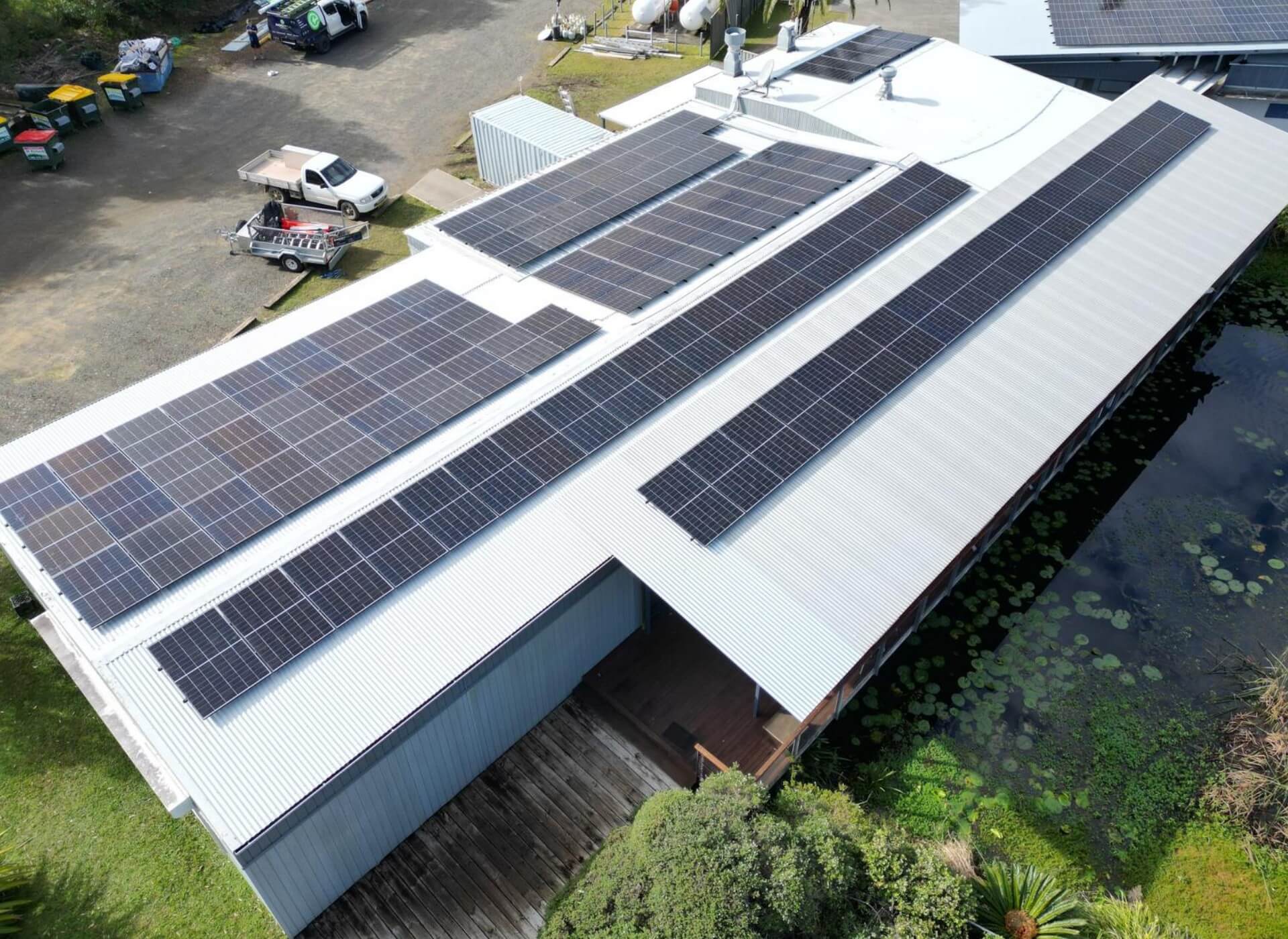
- 6.6kW system: $1,500 to $2,200
- 10kW system: $2,000 to $3,000
- 13kW system: $3,000 to $4,500
Exact values depend on your postcode (zone) and the STC market price at the time. Your installer should be able to give you the exact figure on your quote.
How do I claim solar STCs?
Easy: you don't. Your installer does it for you.
When you get a quote for solar, it'll show the price after STCs are applied. You sign over your right to create the STCs to the installer (one form, takes 30 seconds), and they handle the rest.
Behind the scenes, the installer waits to bundle a batch of STCs (usually around 5,000 at a time, which is the equivalent of roughly 50 installations) and sells them on the open market through an aggregator. It can take a few weeks for STCs to convert to actual cash, which is why installers usually sell them in bulk.
If you wanted to register STCs yourself and sell them directly, you can. But it costs around $20, requires extra paperwork, and you'd need to wait until you have enough to make selling worthwhile. Almost nobody bothers, and most installers offer slightly better pricing if you assign the STCs to them anyway.
The federal Cheaper Home Batteries Program
This is the big one for 2026.
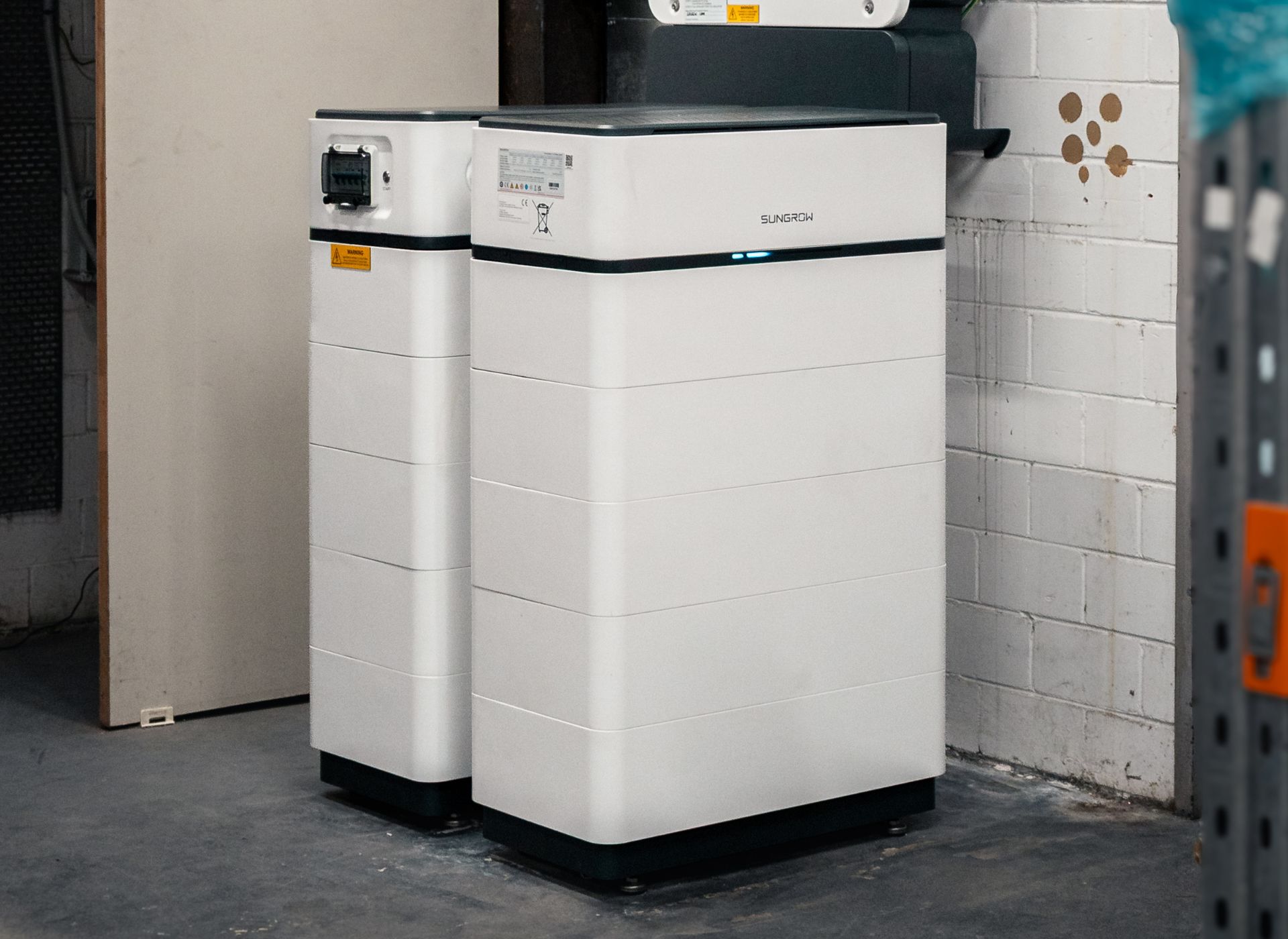
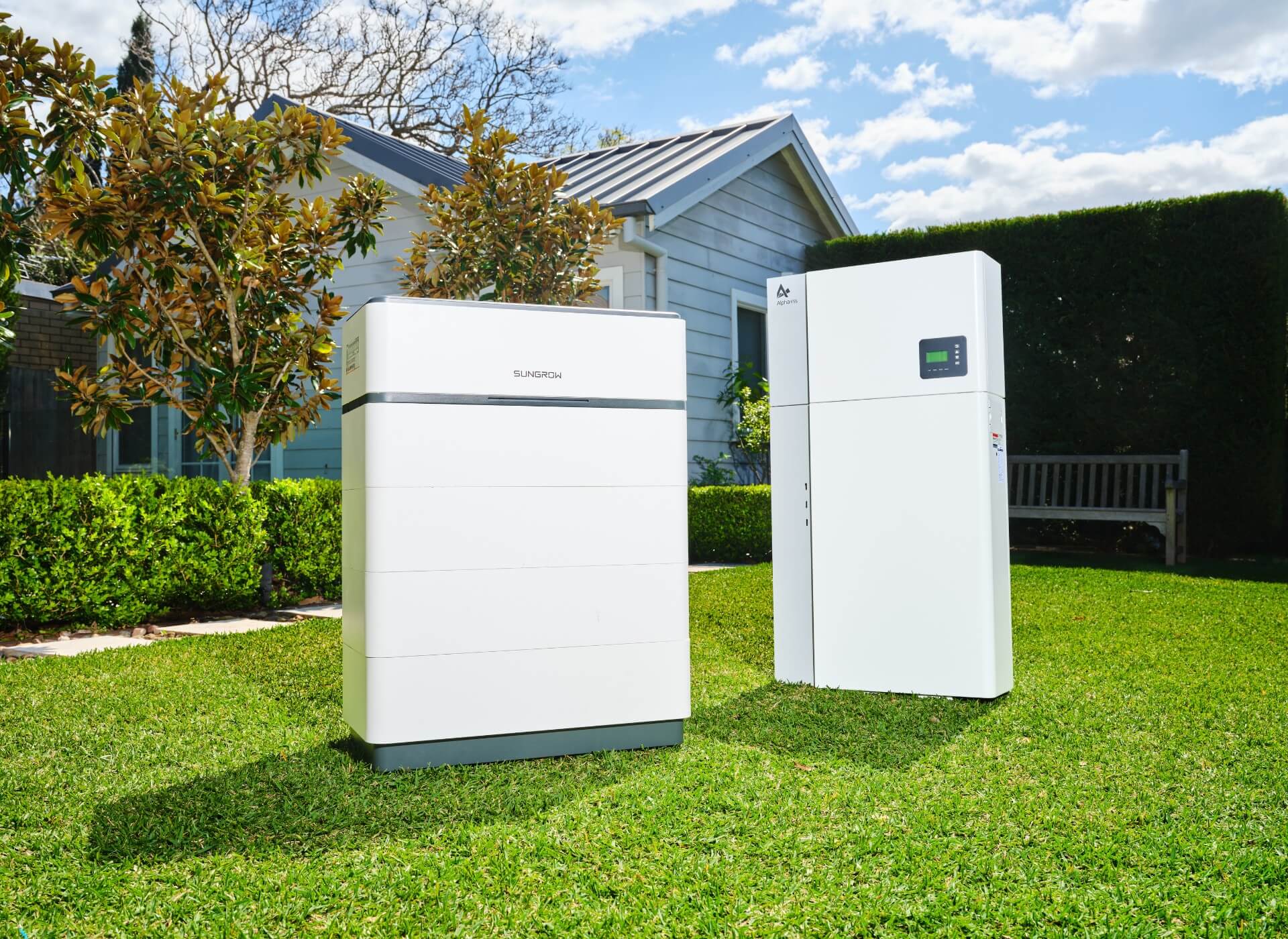
Launched on 1 July 2025, the Cheaper Home Batteries Program (CHBP) is the federal government's $7.2 billion scheme to make home batteries more affordable. The rebate reduces eligible battery costs by a lot.
The basics:
- Applies to batteries between 5 kWh and 100 kWh of nominal capacity
- Only the first 50 kWh of usable capacity is eligible for the rebate
- Battery must be VPP-capable (but you don't have to actually join a VPP, despite what some installers will tell you)
- Battery must be on the Clean Energy Council's approved list
- One battery per electricity meter (NMI)
How the battery rebate works
The CHBP uses the same STC (Small-scale Technology Certificate) mechanism as the solar rebate, but the maths is different.
- You're entitled to a certain number of STCs for every usable kilowatt-hour of battery capacity
- Each STC has a dollar value of around $37
- Your installer sells the STCs on your behalf
- The value comes off your quote as an upfront discount
Just like the solar rebate, the battery rebate is designed to taper down over time, ending by 2030.
The tiered structure
The rebate is tiered based on battery size. This is designed to focus the strongest support on typical household batteries, rather than encouraging massive oversizing.
- First 14 kWh of usable capacity: 100% of the STC rebate
- 14 to 28 kWh: 60% of the STC rebate
- 28 to 50 kWh: 15% of the STC rebate
- Above 50 kWh: no rebate
A worked example. If you install a 20 kWh battery, you get the full rebate on the first 14 kWh, plus 60% of the rebate on the remaining 6 kWh.
When does the rebate step down?
Unlike the solar rebate (which steps down once a year), the battery rebate steps down twice a year, on 1 January and 1 July. 2026 had a one-off mid-year change on 1 May as a budget management measure, with the next scheduled reduction on 1 January 2027.
From May to December 2026, the STC factor for batteries is 6.8 STCs per kWh of usable capacity, which translates to around $252 per kWh off the upfront price.
From 1 January 2027, that rate steps down again, and continues to drop every six months until the program ends in 2030. The earlier you install, the bigger the rebate.
State-by-state incentives in 2026
Some states have meaningful additional rebates, others have wound theirs down. Here's the current state of play in 2026.
New South Wales
- NSW battery rebate: ended in 2024
- NSW Home Energy Saver loan: zero-interest loans up to $15,000 for solar, batteries and other energy upgrades. Launched 17 June 2026. Available to NSW homeowners with combined household taxable income up to $210,000. Repayable over up to 10 years.
- NSW Home Energy Saver discount: up to $4,000 for households earning up to $80,000 or concession card holders. Opening later in 2026. Also available to renters with landlord approval.
- NSW VPP incentive (PDRS): still active. Up to around $1,500 for connecting a battery to an approved Virtual Power Plant, paid per kWh of usable capacity.
- Eligibility for PDRS: battery must be 2 to 28 kWh, VPP-capable with active firmware, CEC approved.
- Stackable with federal CHBP: yes, both the Home Energy Saver and VPP incentive are stackable with the rebate.
The new Home Energy Saver loan is delivered by Brighte and Plenti and stacks with all existing federal and NSW rebates - full guide here. The NSW VPP incentive is calculated using Peak Reduction Certificates (PRCs), so the exact dollar amount varies based on battery size and the PRC market price.
Victoria
- Solar Victoria solar panel rebate: still active. Up to $1,400 off a solar PV system (interest-free loan also available for the same amount)
- Solar Victoria battery rebate: ended in late 2024
- Hot water rebate: up to $1,000 (or $1,400 for a locally made heat pump or solar hot water system)
- Solar for Apartments: up to $2,800 per household for eligible apartments
- Eligibility for Solar Victoria rebates: owner-occupier, household income under $210,000, property value under $3 million, no previous Solar Homes rebate at the same address
Victoria also has the Victorian Energy Upgrades (VEU) program, which provides incentives for replacing inefficient appliances with more efficient electric ones. Worth asking your installer about.
Queensland
- QLD battery rebate (Battery Booster): closed in 2024
- No active state-specific battery rebate
- Some Queensland energy retailers offer VPP participation incentives, worth asking about
- Federal CHBP and STC scheme apply
The federal rebate alone is substantial in QLD given the strong solar irradiance, and battery payback periods are typically low.
South Australia
- SA Home Battery Scheme: closed in 2024
- No active state-specific battery rebate
- Federal CHBP applies
- SA does have one of Australia's largest VPPs, which can stack with the federal rebate
- High electricity prices make batteries especially worthwhile in SA
Western Australia
WA is one of the best states for stacked rebates in 2026.
- Synergy customers (most of metro WA): up to $1,300 ($130/kWh capped at 10 kWh)
- Horizon Power customers (regional WA): up to $3,800 ($380/kWh capped at 10 kWh)
- VPP participation: required to qualify
- Interest-free loans: up to $10,000 available to eligible households
- Stackable with federal CHBP: yes
The combination of federal CHBP plus the WA state rebate is the most generous battery incentive currently available in Australia.
Australian Capital Territory
- No direct ACT battery rebate
- Sustainable Household Scheme (SHS): zero-interest loans up to $15,000 for batteries, solar, EV chargers, heat pumps, and other energy upgrades. Repayable over 10 years
- ActewAGL heat pump incentive: up to $1,250 off plus $250 in bill credits over three years
- Federal CHBP and STC scheme apply
The ACT loan isn't a cash rebate, but for households without the upfront capital, it materially changes the affordability of going solar or adding a battery.
Tasmania
- No state-specific battery rebate
- Federal CHBP and STC scheme apply
- Tasmania's strong feed-in tariffs (often higher than mainland states) help with payback
Northern Territory
- Home and Business Battery Scheme: funding cap reached, currently closed
- Federal CHBP and STC scheme apply
- Worth keeping an eye on the NT government's announcements in case the scheme reopens
Stacking rebates: what combines and what doesn't
Stacking is the practice of claiming multiple rebates on the same installation. Here's what works in 2026.
Always stack:
- Federal STC rebate (for solar panels) + state-based solar panel rebates (where they exist, e.g. Solar Victoria's $1,400)
- Federal STC rebate (for solar panels) + federal CHBP (for batteries) when installed together
- Federal CHBP + NSW VPP incentive
- Federal CHBP + WA Synergy/Horizon battery rebate
- Federal CHBP + ACT Sustainable Household Scheme loan
Worth checking with your installer:
- VPP sign-on bonuses from individual VPP operators on top of state and federal rebates
- Local council incentives (some councils offer small rebates, especially in NSW and VIC)
- Retailer incentives for joining a specific energy plan or VPP
Don't apply in 2026:
- Closed state schemes (QLD Battery Booster, SA Home Battery Scheme, VIC Solar Homes battery rebate, NT Home and Business Battery Scheme). Some installer quotes still reference these. Be cautious.
A solid quote should clearly show every rebate being applied and the source of each. If a quote bundles everything into a vague "$X off" line, ask for the breakdown.
How do I claim these rebates?
For 99% of households, the answer is "you don't, your installer does." Here's the process:
- Get a quote from a Clean Energy Council accredited installer (*ahem* Green.com.au). The quote should clearly show the system price before rebates, each rebate being applied, and your final out-of-pocket cost.
- Sign over your STC rights to the installer (one form, takes a minute).
- For state-based rebates, your installer typically handles the application paperwork. In Victoria, for example, the installer submits the Solar Victoria application on your behalf and the rebate flows through automatically.
- For VPP incentives, you'll need to sign up to the VPP separately and demonstrate ongoing connection. Your installer will guide you through this.
- Pay the discounted invoice after installation.
If an installer offers to give you the STCs "in cash" or asks you to claim them yourself, that's a red flag. Stick with installers who handle this transparently.
Ready to take advantage of the rebates that apply to your home?
Our team will work out exactly which federal and state incentives you're eligible for, apply them to a tailored quote, and walk you through everything so there are no surprises. Request a free quote to get started.
Frequently asked questions
STC stands for Small-scale Technology Certificate. It's the official term for what most Aussies call "the solar rebate."
Technically no. It's a tradeable certificate scheme where you receive certificates for installing eligible renewable energy systems, which your installer sells on your behalf to fund a point-of-sale discount. In practice, it works exactly like a rebate.
Around $37 to $40 per certificate, depending on the market price on the day. STCs trade on an open market like shares, so the price fluctuates.
The scheme is scheduled to wind down to zero by the end of 2030. It gradually reduces until then.
A federal incentive launched on 1 July 2025 that provides around 30% off eligible home batteries. It uses the same STC mechanism as the solar rebate and is applied as a point-of-sale discount.
No. This is a really common myth. The battery must be VPP-capable (technically able to connect to a VPP), but you are not required to actually join one to claim the rebate.