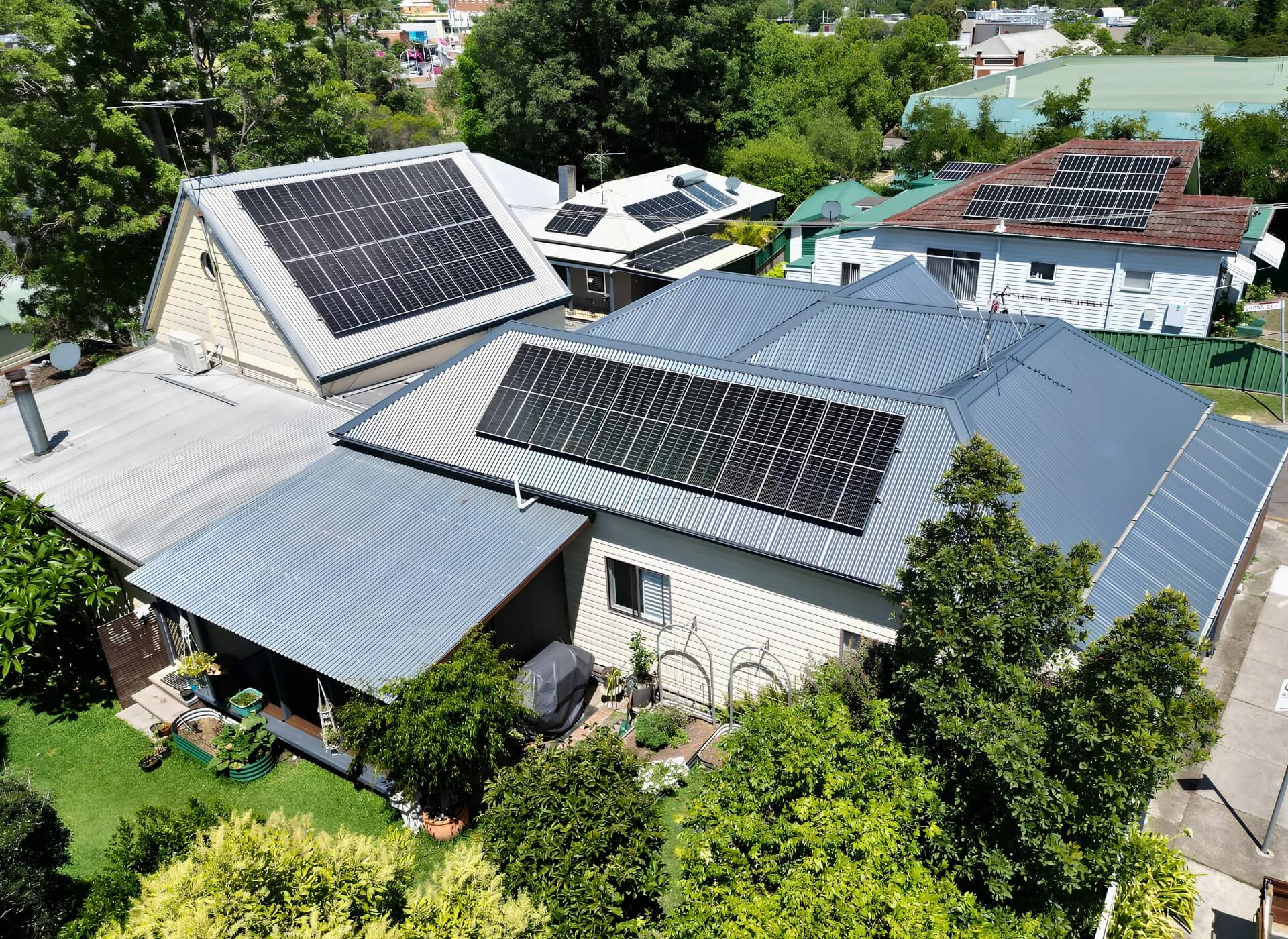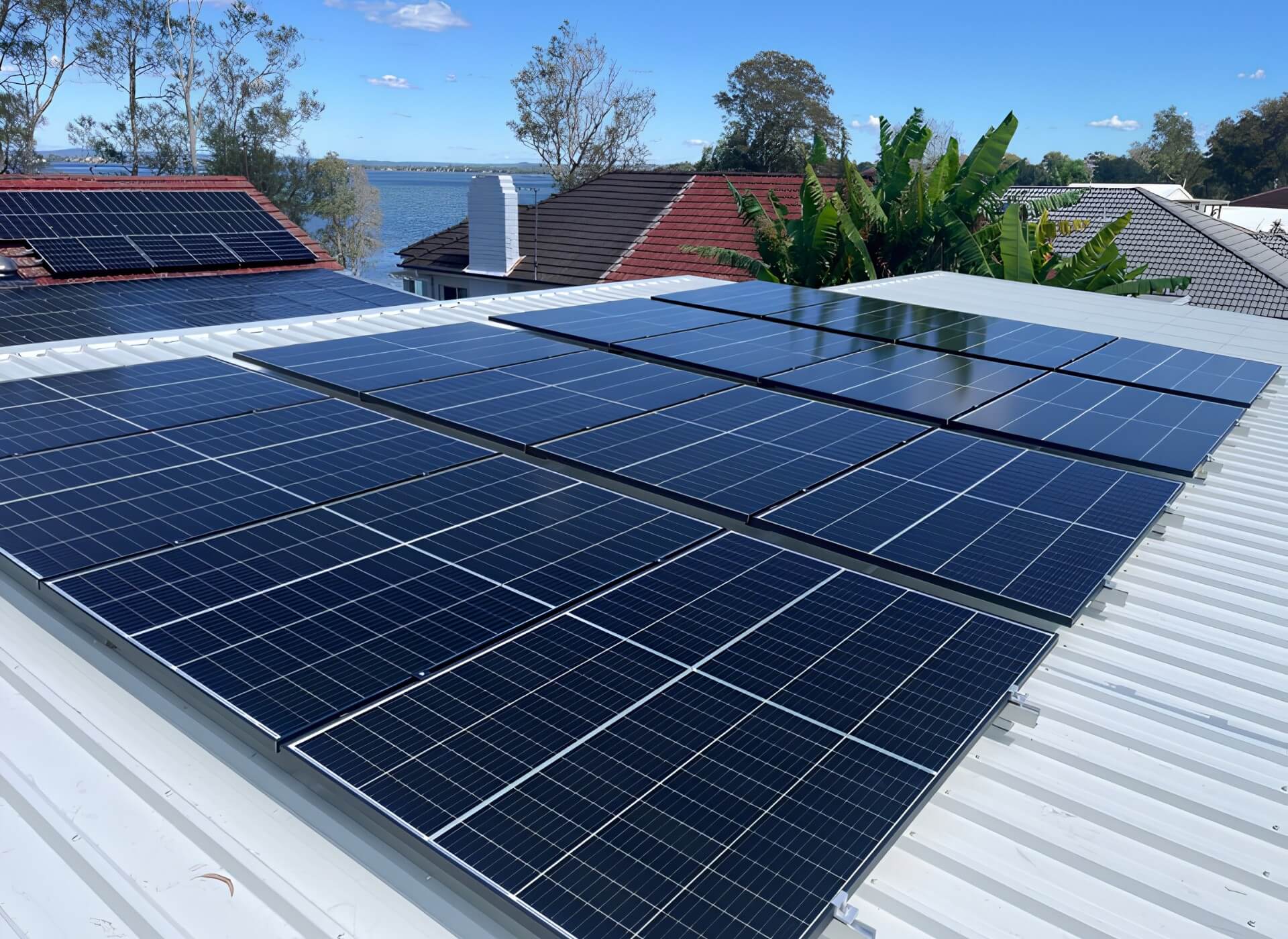

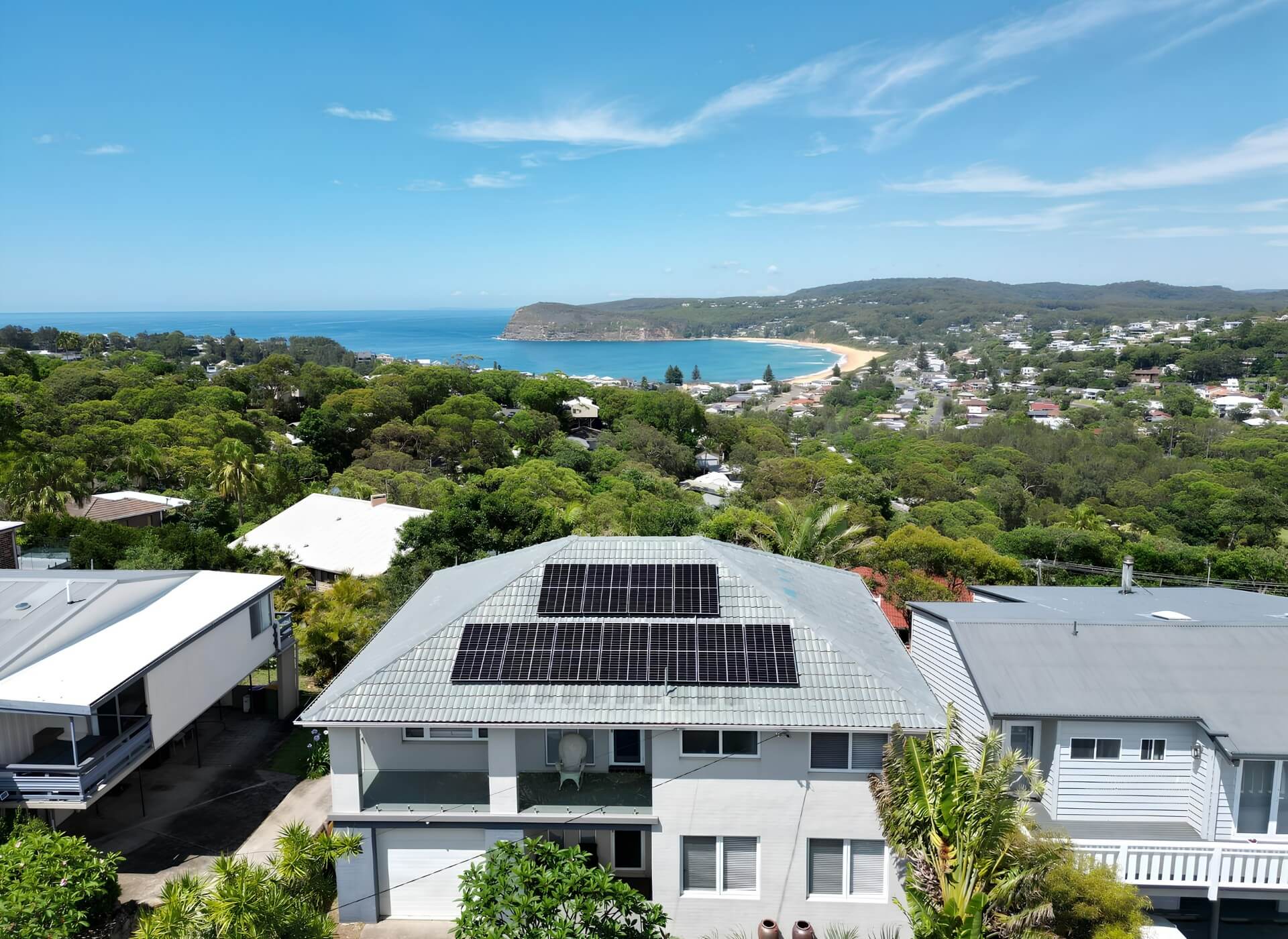
If you've spent more than five minutes looking at solar, you've seen 6.6kW solar systems advertised everywhere. Every retailer, every flyer, every "starting from" price tag. They're the most popular size of residential solar in Australia, and there's a very specific reason for that (which has nothing to do with marketing).
So what is a 6.6kW solar system, why is everyone selling them, and is it still the right size for your home in 2026? Let's get into it.
What is a 6.6kW solar system?
A 6.6kW solar system is one with a total panel capacity of around 6.6 kilowatts. The "kW" refers to the maximum potential power output of all the panels combined under standard test conditions.
The reason this specific number is so common comes down to one rule: the Clean Energy Council allows you to oversize your solar panels by up to 33% compared to your inverter capacity. So with the most common residential inverter size (5kW), you can fit up to 6.65kW of panels. Rounded down, that's 6.6kW. We'll get into that a bit more soon.
A 6.6kW system tends to suit:
- Homes with quarterly electricity bills of $300 to $500
- Smaller to medium-sized households
- Homes with mostly daytime electricity use
- Single-phase homes (which are limited to a 5kW inverter anyway)
- Anyone who wants a solid first solar setup at a good price
How many solar panels are in a 6.6kW system?
Depending on the panel wattage, you're looking at:
- 13 to 15 panels using modern 440W to 480W panels
- 17 to 20 panels using older 330W to 400W panels (rarely installed in new systems anymore)
Most modern 6.6kW installs land between 13 and 15 panels.
How much does a 6.6kW solar system cost in Australia in 2026?
A 6.6kW solar system in Australia in 2026 typically costs $7,000-8,000 fully installed, after the federal STC rebate is applied.
What affects the price:
- Panel and inverter brand. Premium brands can push pricing up, but you get a better quality product.
- Hybrid vs standard inverter. If you're thinking about adding a battery later, a hybrid (battery-ready) inverter costs more upfront but saves you a retrofit cost down the track.
- Roof type. Tile roofs cost more to install on than tin or Colorbond. Double-storey or steep-pitched roofs add complexity.
- Location. Pricing varies between states and metro versus regional.
What's the federal rebate on a 6.6kW solar system?
The federal Small-scale Renewable Energy Scheme (SRES) provides an upfront discount through Small-scale Technology Certificates (STCs).
A heads up: the STC rebate steps down slightly every year and is scheduled to wind down to zero by the end of 2030. Installing now means a bigger rebate than installing later.
Why most 6.6kW systems are paired with a 5kW inverter
This is the part that confuses a lot of people, so here's the simple version.
The Clean Energy Council allows you to oversize your solar panels by up to 33% compared to your inverter capacity. That means with a 5kW inverter, you're allowed to put up to 6.65kW of panels on the roof.
Why would you want to do this? A few reasons:
- Your panels rarely hit their peak. Solar panels produce their full rated output only on perfect sunny days, with the perfect orientation, perfect tilt, perfectly clean panels, and the right time of day. The rest of the time, they're operating well below peak. Oversizing the panel array means you get closer to the inverter's full output for more hours of the day.
- You get more total energy per year. A 6.6kW array on a 5kW inverter produces meaningfully more annual energy than a 5kW array on a 5kW inverter, even though the peak output is capped at 5kW (which barely matters in practice).
- STCs are based on panel capacity, not inverter capacity. That extra 1.6kW of panels means more federal rebate, which helps keep the system affordable.
- It works with single-phase distribution rules. Most single-phase homes are capped at a 5kW inverter (with 5kW export) by the network. A 6.6kW system fits perfectly within that limit.
The end result: a 6.6kW panel array on a 5kW inverter is genuinely good design, not just a marketing trick. It's the system size that maximises rebates, fits within most network limits, and gets you the most bang for your buck on a simple installation.
How much electricity will a 6.6kW solar system generate?
On average across Australia, a 6.6kW solar system produces around 24 to 28 kWh per day, depending on location, season, and site conditions.
That's enough to cover the daytime electricity use of most small-to-medium Aussie households (15-25 kWh per day total), with some excess to export back to the grid or store in a battery.
In a typical year, a 6.6kW system in most parts of Australia produces around 9,000 to 10,500 kWh of electricity.
How much can a 6.6kW solar system save you?
The savings depend on how much of your solar electricity you use yourself versus how much you export back to the grid.
- Every kWh you use yourself saves you the full retail electricity rate
- Every kWh you export earns you a feed-in tariff
For a typical Aussie household with reasonable daytime usage, a 6.6kW system will usually save $1,500 to $2,500 per year on electricity.
How much roof space does a 6.6kW solar system need?
Around 22 to 30 square metres of usable roof space, depending on panel size. Most homes have plenty of room.
If your roof has obstructions (chimneys, dormers, plumbing vents) or fragmented sections facing different directions, your installer will design the layout to work around them.
Is a 6.6kW system still the right choice in 2026?
For years, 6.6kW was the obvious answer for almost everyone going solar. The maths worked, the rebate maxed out, and it covered most homes' needs.
In 2026, the calculation has shifted a bit. Three things are pushing more households toward bigger systems:
- Electricity usage is rising. EVs, heat pumps, induction cooking, and electric hot water are all becoming more common. If you're heading down that path, 6.6kW might be enough for now but not for long.
- Panels are cheaper. The cost per watt has dropped significantly. The price difference between a 6.6kW and a 10kW system is smaller than it used to be.
- Batteries are more accessible. The federal Cheaper Home Batteries Program (launched July 2025) takes a big chunk off eligible batteries. Pairing a bigger solar system with a battery makes more sense than ever.
That said, 6.6kW is still the right call if:
- Your quarterly electricity bill is under $500
- You use less than 25 kWh per day
- You don't have, and aren't planning to add, an EV
- You don't have, and aren't planning to add, a battery
- Your home is mostly powered by gas (or you're not planning to electrify)
- Your roof has limited usable space
If any of those things are likely to change in the next 5 years, an 8kW or 10kW system might be a better long-term investment.
Can I add a battery to a 6.6kW solar system?
Yes. A 6.6kW system pairs well with a smaller battery (typically 5 to 10 kWh of usable storage). The 6.6kW system generates more than most homes use during the day, so storing the excess in a battery for night use makes financial sense.
If you've already got a 6.6kW system installed (with a standard, non-hybrid inverter), adding a battery is still doable, most of the battery installs we do are retrofits to existing systems so this is a piece of cake for us.
What we'd recommend
If you're going solar for the first time and your bills are modest, a 6.6kW system is still a fantastic value proposition. The maths still works, the rebates still flow, and the system will pay itself off quickly.
If your bills are higher, or your home is heading toward full electrification, it's worth looking at bigger options before locking in a 6.6kW.
Either way, the best move is to get a tailored quote based on your actual usage and plans, not the headline price on a website. Our team's happy to help. Request a free quote to get started.
Frequently asked questions
Around 13 to 15 panels using modern 440W to 480W panels. Fewer if using top-tier 500W+ panels, more if using older or budget 330W to 400W panels.
The Clean Energy Council allows panels to be oversized by up to 33% relative to inverter capacity. A 5kW inverter can take up to 6.65kW of panels, which is why 6.6kW is the most common pairing. It's good system design, not a marketing trick.
For smaller households with modest usage and no immediate plans for an EV, battery, or full electrification, yes, absolutely. For larger households or anyone planning to electrify further, an 8kW or 10kW system often makes more sense.