
We use more energy now than at any point in human history. Even while you're asleep, your fridge is humming, your modem's online, your standby lights are blinking. Add in the morning coffee machine, the daily commute, charging your phone, running aircon in summer, heating in winter, every Zoom call, every load of washing, every car you drive past on the street. Nearly every single moment of modern life has some kind of energy use behind it.
The question is where all that energy comes from. And in Australia, the answer is changing faster than ever.
What is renewable energy?
Renewable energy is energy that comes from natural sources that replenish themselves faster than we can use them. Sunlight. Wind. Flowing water. Heat from inside the earth. Plant material. Ocean waves.
The simplest way to think about it: renewable energy sources don't run out. The sun's going to keep shining, the wind's going to keep blowing, tides will keep rolling in. Compare that to coal, oil and gas, which are finite. Once they're gone, they're gone.
That's the key difference. Renewable energy can keep going essentially forever. Fossil fuels can't.
Why does renewable energy matter?
A few reasons, all stacking on top of each other.
Fossil fuels are running out. Coal, oil and gas formed from dead plants and algae buried under heat and pressure for hundreds of millions of years. We've burnt through a massive chunk of those reserves in just a couple of centuries. There's a hard ceiling on how much is left in the ground.
Burning fossil fuels is wrecking the planet. When you burn coal, oil or gas, you release greenhouse gases (mostly CO2) into the atmosphere. Those gases trap heat. More gases, more trapped heat. That's the mechanism behind global warming, and it's why we're seeing more extreme weather, longer bushfire seasons, dying reefs and rising seas.
Air quality. Fossil fuel emissions don't just heat the planet. They also pollute the air we breathe, contributing to respiratory disease, smog, and acid rain.
Australia's coal problem (and opportunity). Right in our own backyard, we've got the world's largest coal export port at Newcastle, and Australia is one of the biggest exporters of coal on the planet. But we've also got something else: more sunshine than almost anywhere else on earth, vast windy coastlines, and the geography to scale renewables faster than most countries can dream of. The opportunity is enormous if we take it.
Energy security. When your electricity depends on imported gas or fuel from volatile global markets, your power bills bounce around every time something happens overseas. Renewable energy generated locally is insulated from all of that.
The main types of renewable energy
When most Aussies hear "renewable energy" they think solar. Fair enough, it's the most visible. But there's a whole family of technologies doing the heavy lifting.
Solar energy
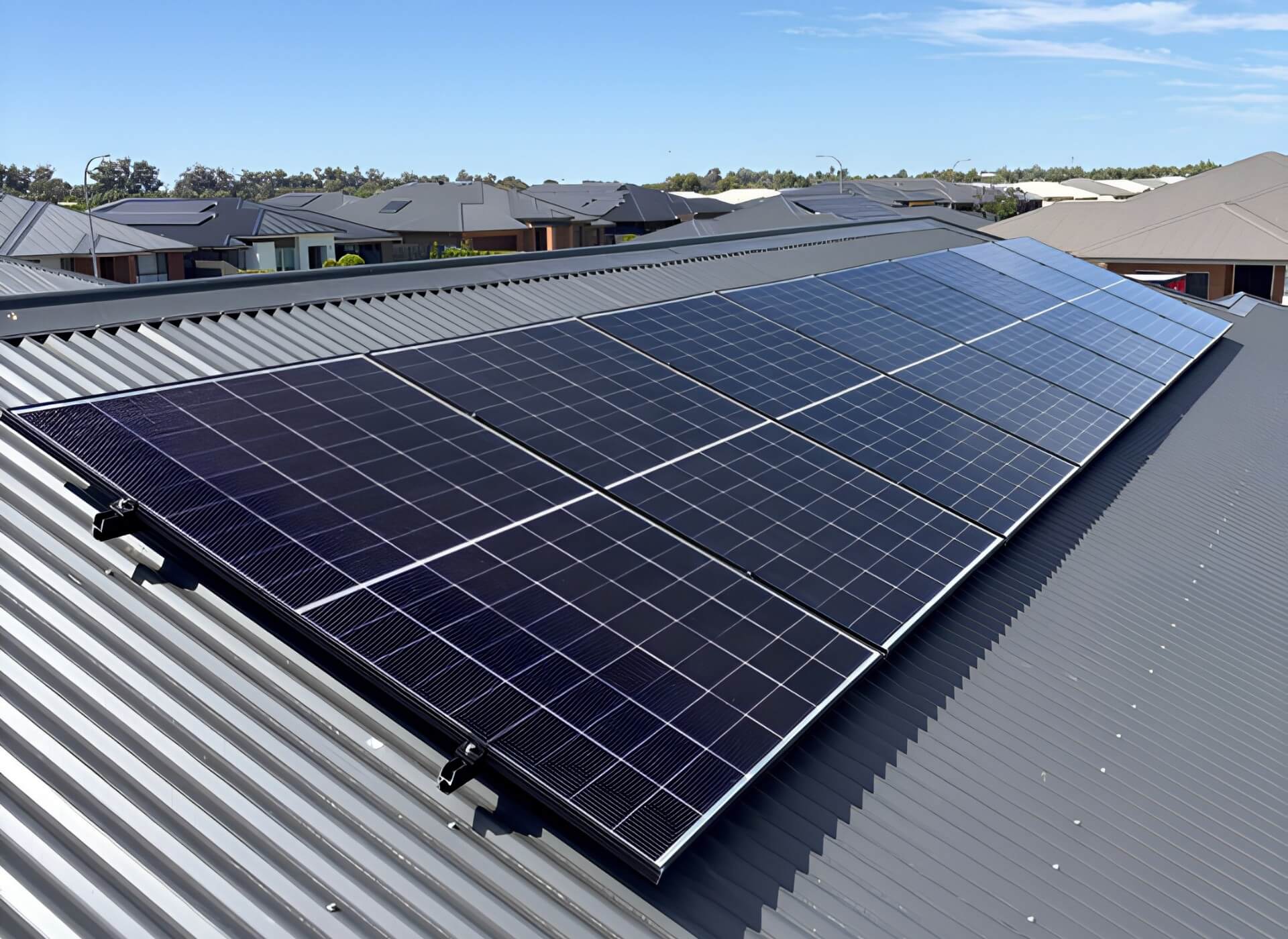
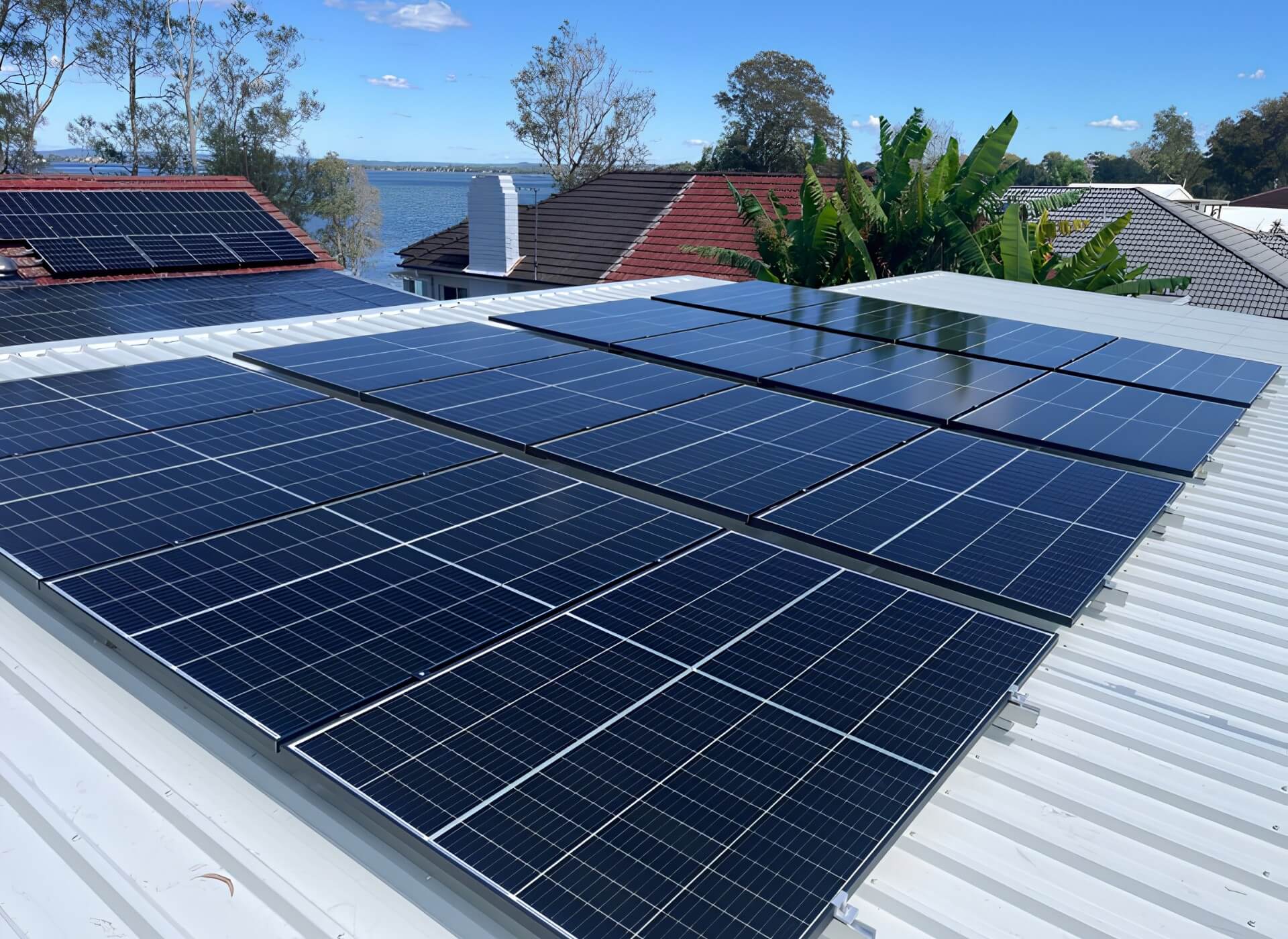
Solar panels convert sunlight directly into electricity. You see them on rooftops, on commercial buildings, and on massive solar farms covering paddocks across regional Australia.
Solar is hands-down the most accessible form of renewable energy for households. Slap some panels on your roof, hook them up to an inverter and your switchboard, and you're generating your own clean power. Pair it with a battery and you can store the excess for use after sundown.
Australia has the highest per-capita uptake of rooftop solar in the world. More than 4 million homes here now have it.
Wind energy
Wind turbines turn the kinetic energy of moving air into electricity. The big ones on hills or out at sea are called wind farms. In Australia, wind is the second-biggest source of renewable electricity behind solar.
Wind tends to blow harder at night and in winter, which makes it a great complement to solar (which peaks during the day in summer). Offshore wind is the next frontier, with several projects in development off the coasts of Victoria, NSW and other states.
Hydropower
Hydropower uses the energy of moving water (usually water falling from a height) to spin turbines and generate electricity. It's one of the oldest forms of renewable energy on the planet. Australia's Snowy Mountains Hydro Scheme, which started generating in the 1950s, is still going strong.
A modern twist is pumped hydro, where water is pumped up to a high reservoir when energy is cheap (or solar is plentiful) and released back down through turbines when power's needed. It's basically a giant battery using gravity.
Geothermal energy
Geothermal taps into the natural heat stored inside the earth. In some parts of the world (think Iceland, New Zealand), you can drill down and find steam and hot water hot enough to spin a turbine directly. In Australia, geothermal is more commonly used in heating and cooling systems rather than large-scale power generation.
Bioenergy
Bioenergy is energy made from organic material, things like wood, crop waste, manure, and sugarcane pulp (called bagasse). It can be burnt directly for heat and power, or converted into biofuels like ethanol.
It's a bit of a contentious one. Done well, bioenergy uses waste material that would otherwise rot or get thrown out. Done badly, it can compete with food crops or drive deforestation. In Australia, bagasse from sugarcane mills is a significant bioenergy source.
Ocean energy
Ocean energy is the broad name for energy generated by waves, tides and ocean currents. It's still mostly in the trial and development phase globally, but the potential is huge given how much coastline Australia has.
Green hydrogen
Hydrogen isn't a fuel you dig up. It's a fuel you make, by using electricity to split water into hydrogen and oxygen. If the electricity used in that process comes from renewables, the resulting hydrogen is called "green hydrogen" and it's effectively a clean, storable, transportable fuel.
Green hydrogen is being developed in Australia for industries that are tough to electrify directly, like steelmaking and heavy transport.
The upsides of renewable energy
There's a reason this transition is gaining serious momentum.
- Lower emissions. Renewable electricity produces little to no greenhouse gas during operation.
- Cheaper power over time. Once a solar or wind farm is built, the "fuel" (sun and wind) is free. That's a big reason wholesale electricity prices drop during sunny, windy periods.
- Energy independence. Local renewable generation means less reliance on volatile international fuel markets.
- Healthier air. Less coal and gas burning means less pollution in the atmosphere.
- Jobs. The renewable energy sector employs tens of thousands of Australians and that number is growing fast.
- Personal control. With rooftop solar (and ideally a battery), you can generate, store and use your own power instead of buying every kilowatt-hour from a retailer.
The honest drawbacks and challenges
We're going to be straight with you here. Renewables are brilliant, but they're not a magic wand. There are real challenges in the transition.
- Intermittency. The sun doesn't shine at night and the wind doesn't always blow. This is the big one, and it's why batteries are getting so much investment.
- Grid upgrades cost money. Australia's electricity grid was built for centralised coal generation. Adapting it for distributed, variable renewable sources takes infrastructure investment.
- Resource extraction. Solar panels, wind turbines and batteries need critical minerals like lithium, cobalt and rare earths. Mining those isn't carbon-free.
- Land use. Large solar and wind farms take up space, and they sometimes butt up against agricultural land, conservation areas, or communities.
- End-of-life recycling. Solar panels and batteries have a finite lifespan, and Australia's recycling infrastructure for them is still catching up.
- Transition speed. Coal plants are retiring on a known schedule, and renewables plus storage need to scale fast enough to fill the gap reliably. Doing that without blackouts or price spikes is the engineering challenge of our generation.
None of this means renewables aren't worth pursuing. They absolutely are.
How can I switch to renewable energy at home?
If you're sitting in your living room reading this, here's what you can actually do.
1. Get solar on your roof
This is the biggest single lever for most households. Rooftop solar means you generate your own electricity during the day, slash your bills, and shrink your carbon footprint. Payback periods on a typical system in Australia are usually 4 to 7 years.
2. Add a battery
Solar covers your daytime use, but a battery lets you store the excess and use it at night. With current federal and state rebates, batteries are more affordable than they've ever been.
3. Switch to an EV (when it's time)
Driving an EV (especially if powered by your rooftop solar or battery) is about as clean as personal transport gets. And the charging cost works out to a fraction of what petrol costs.
3. Upgrade to a heat pump
Heat pumps for hot water and home heating are 3 to 4 times more efficient than gas or electric resistance equivalents. Combined with solar, they can cut your energy use dramatically.
4. Pick a green energy plan
If solar isn't an option (renting, shaded roof, apartment), most major retailers now offer plans backed by renewable generation. Worth comparing.
5. Electrify your home over time
Replacing gas appliances with electric ones (and powering them from renewables) is the long game. You don't have to do it all at once, but every replacement is a step in the right direction.
Ready to Just go Green?
If you're keen to make the switch but not sure where to start, we've got you. Whether you're after solar, a battery, an EV charger, or a heat pump, our team will walk you through your options and put together a quote tailored to your home and usage. Request a free quote to get started.
Frequently asked questions
Solar. Solar accounts for around 18% of total Australian electricity generation, followed by wind at around 12% and hydro at around 5%.
For most homes in Australia, yes. With current rebates, falling system prices and rising electricity costs, the payback period on a typical system is faster than ever. The exact maths depends on your usage, roof, and energy plan, so it's worth getting a tailored quote.
The biggest impact for most households is rooftop solar, ideally paired with a battery. Beyond that, switching to an EV, installing a heat pump, and picking a green-backed energy plan are all solid moves. We're happy to talk you through what makes sense for your home.