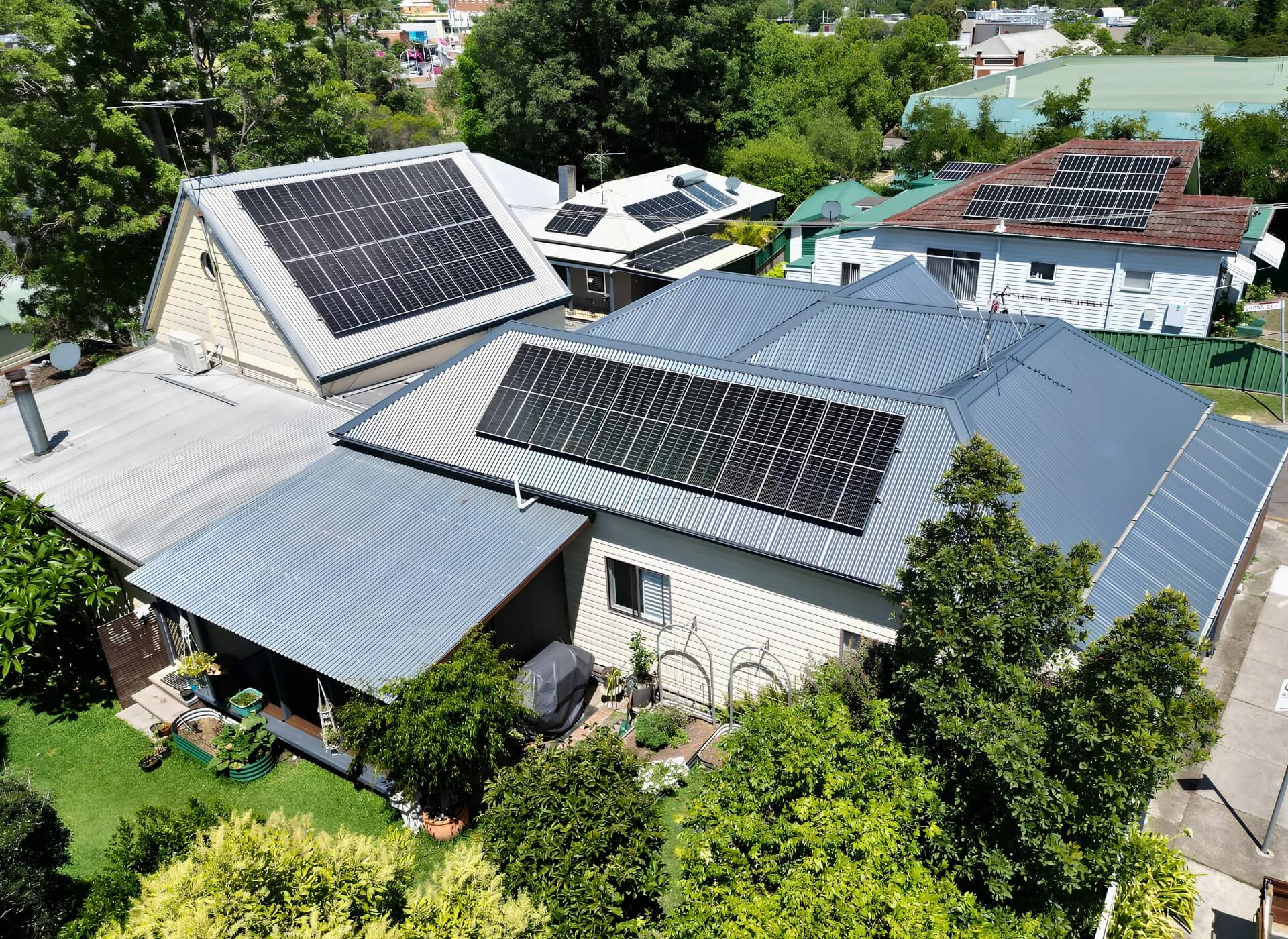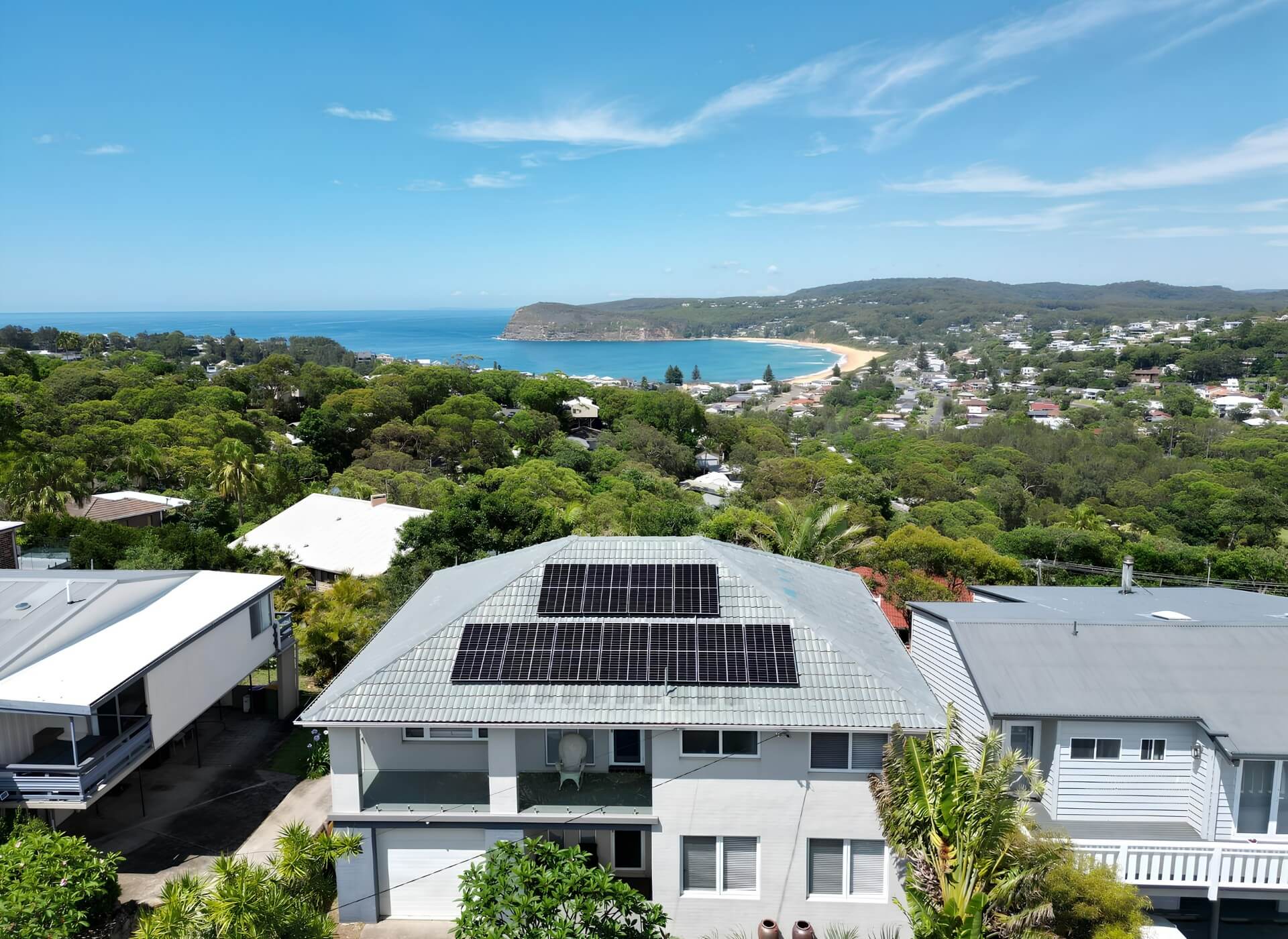

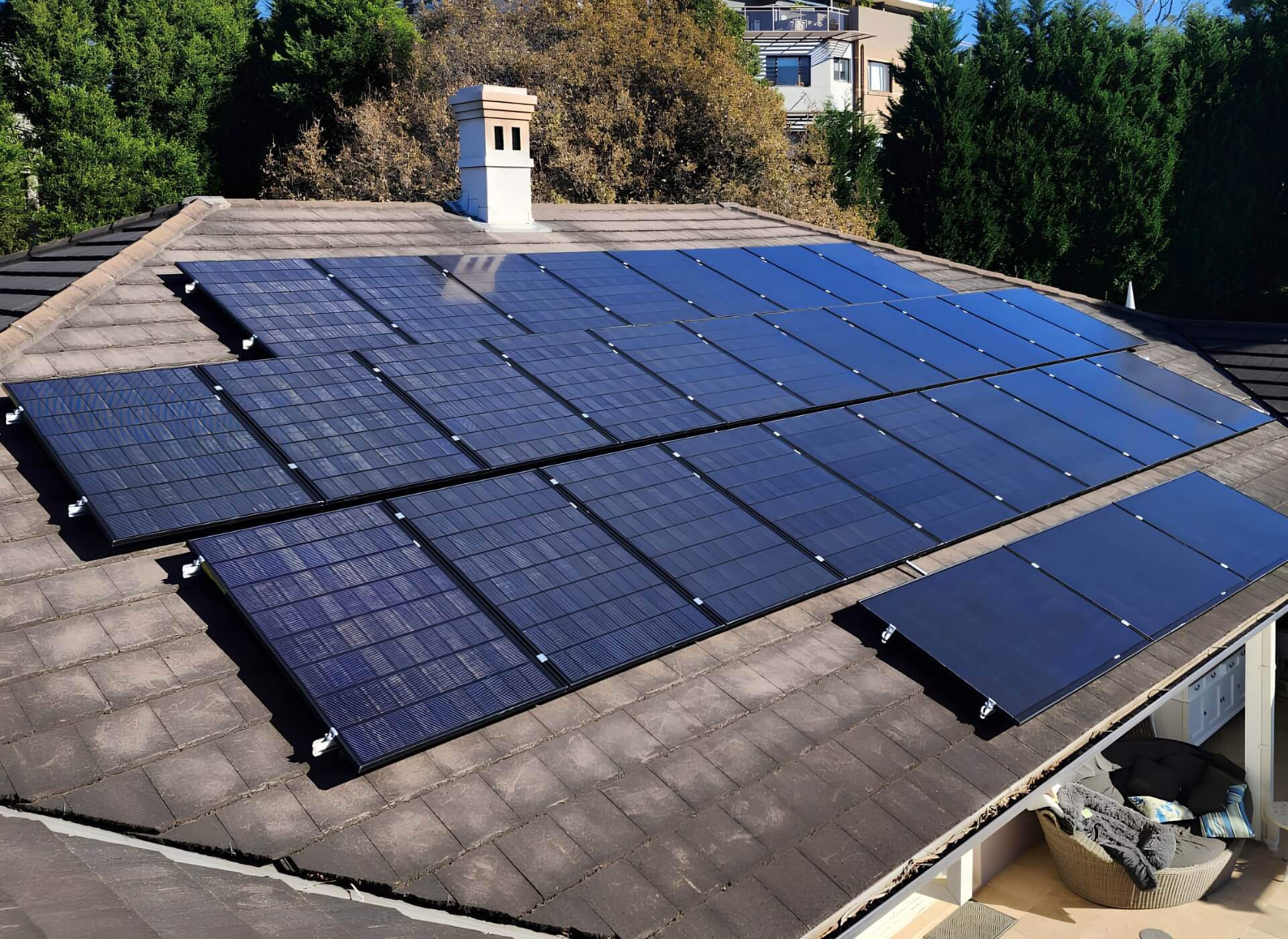
One of the trickiest things to get your head around when shopping for solar is system size. A lot of the time, the sizes advertised by solar companies suit the solar company more than they suit you. Tiny "starter" systems get pushed hard because they're cheap to sell. Massive systems get pushed because they bring in more revenue. Somewhere in the middle is the size that actually fits your house.
10kW solar systems have become one of the most popular options for medium-to-large Australian homes in 2026, and we get asked about them every day. So here's a proper, no-BS breakdown of what a 10kW system is, what it costs, what it produces, and how to figure out whether the size is right for you.
What is a 10kW solar system?
A 10kW solar system is one with a total panel capacity of around 10 kilowatts. The "kW" refers to the maximum power output of the panels combined, under standard test conditions.
Solar panels for residential use in Australia today come in a range of sizes, usually between 400W and 500W+ per panel, with 440W to 475W being the most common in 2026.
The total panel capacity of the system is just the sum of all the individual panel wattages. So with a 440W panel, for example, you'd need around 23 panels to hit a 10kW system size. Bigger panels = fewer needed. Simple maths.
How many solar panels are in a 10kW system?
Depending on the panel wattage, you're typically looking at:
- 22 to 25 panels for premium 440W to 480W panels
- 20 to 22 panels for top-tier 500W+ panels
- 25 to 28 panels for older or budget 360W to 400W panels (still around, but less common in new installs)
Most modern 10kW residential installs land between 22 and 25 panels.
How much does a 10kW solar system cost in Australia?
Most reputable Aussie installers in 2026 will quote a 10kW solar system at $9,000 to $12,000 fully installed, after the STC rebate is applied.
The exact price depends on a few things:
- Panel brand and quality. Premium tier-1 panels cost more. The difference across a full 10kW system can be a few thousand dollars.
- Inverter brand and type. A hybrid inverter (battery-ready) costs a bit more than a standard string inverter, but saves you money down the track if you're planning to add a battery.
- Roof type and complexity. A simple single-storey tin roof is cheaper to install on than a double-storey tiled roof with awkward angles.
- Location. Pricing varies between states and metro versus regional. Some areas have a slightly bigger STC rebate due to higher solar irradiance.
- Add-ons. Smart monitoring, optimisers, or microinverters can push the price up but add real value depending on your roof.
What's the federal rebate on a 10kW solar system?
The federal Small-scale Renewable Energy Scheme (SRES) provides an upfront discount on eligible solar systems through Small-scale Technology Certificates (STCs).
A heads up: the value of this rebate steps down slightly every year, and the scheme is scheduled to wind down to zero by the end of 2030. That means installing sooner generally means a bigger rebate than installing later.
How much electricity will a 10kW solar system generate?
On average across Australia, a 10kW solar system produces around 40 kWh per day, though the actual figure varies between roughly 34 and 44 kWh per day depending on location, season and how clean your panels are.
A few site-specific factors that affect output:
- Where you live. Sunnier states (QLD, NT, WA) generate more than southern states (TAS, VIC).
- Panel direction and angle. North-facing is best for total output, though other directions can be better for your savings depending on when you use power.
- Shading. Trees, chimneys, and neighbouring buildings reduce output.
- Roof pitch. A pitch close to your latitude is ideal.
- Time of year. Generation is roughly 30% higher in summer than in winter.
To put 40 kWh per day into perspective: that's enough to cover the daily electricity needs of most Aussie households, with plenty left over to charge a battery, an EV, or send back to the grid.
How much can a 10kW solar system save you?
This is the question that actually matters, and the honest answer is "it depends on your usage."
Here's the rough logic:
- Every kWh of solar you use yourself saves you the full retail rate of electricity
- Every kWh you export back to the grid earns you a feed-in tariff
So the savings depend heavily on how much of your solar you can use yourself versus how much you export. A household that's home during the day, runs the pool pump, does the washing at lunchtime and charges an EV in the afternoon will get far more value out of a 10kW system than one that exports everything because nobody's home until 6pm.
For a typical Aussie household with reasonable daytime usage, a 10kW system will usually save $2,000 to $3,500 per year on electricity. That gives a payback period of roughly 3 to 5 years on a $9,000 system, with another 20+ years of effectively free electricity after that.
How much roof space does a 10kW solar system need?
You'll need around 35 to 45 square metres of usable roof space, depending on panel size. Most pitched residential roofs have plenty of space to accommodate this, though shading, dormers, plumbing vents and chimneys can eat into the available area.
If your roof is small, fragmented, or heavily shaded, you might need to fit panels across multiple sections (which is fine, see the inverter section below).
Can my home handle a 10kW solar system?
Most homes in Australia can install a 10kW solar system, but exactly how it’s set up depends on whether your home has single-phase or three-phase power and the rules of your local electricity distributor.
Most older homes have single-phase power. Depending on your distributor, you may be allowed up to 5kW of inverter capacity with full export, plus additional inverter capacity with an export limit. That can allow you to install up to 10kW of inverter capacity while limiting how much power is sent back to the grid.
Other distributors may allow higher export limits or up to 10kW of inverter capacity with full or flexible export, depending on the network and your connection.
Three-phase homes generally have more capacity available for larger solar systems. In many areas, a 10kW system is relatively straightforward, although inverter and export limits still depend on your electricity distributor and local network capacity.
With feed-in tariffs relatively low these days, exporting every spare kilowatt isn’t necessarily where the biggest benefit comes from. The more solar you can use in your home, or store in a battery for later, the more value you’ll generally get from your system.
Export limiting doesn’t mean your excess solar simply disappears. Once your home’s energy needs are covered and the permitted export limit has been reached, the inverter reduces its output and stops converting any additional available solar energy from DC to AC.
Should I pair my 10kW solar system with a battery?
A 10kW system without a battery sends a lot of excess solar back to the grid for a small feed-in tariff. A 10kW system with a battery lets you store that excess and use it at night, when grid electricity is at its most expensive.
In 2026, with the federal Cheaper Home Batteries Program offering a big discount on eligible battery systems, pairing solar with a battery is more affordable than ever.
Whether it's worth adding a battery depends on:
- How much electricity you use at night versus during the day
- Your local feed-in tariff (lower tariff = more value in storing)
- Whether blackout protection matters to you
For most medium-to-large homes installing a 10kW system, a battery makes lot of financial sense in 2026.
What we'd recommend
If you're not sure what size system is right for you, the honest answer is: get a tailored quote from someone who'll actually look at your bills, your roof, your usage patterns, and your future plans. A good installer should be sizing the system to you, not to whatever package is easiest to sell.
We're happy to do exactly that, no obligation. Request a free quote to get started.
Frequently asked questions
Around 22 to 25 panels for modern systems using 440W to 480W panels. Older or budget panels might require 25 to 28 panels for the same total capacity.
A 6.6kW system is the right pick for smaller households with lower usage and no immediate plans to add a battery or EV. A 10kW system suits larger households, higher users, and anyone planning to electrify further. If your usage is creeping up, the extra capacity tends to pay for itself.
For most medium-to-large homes in 2026, yes. The federal Cheaper Home Batteries Program reduces battery costs by around 30%, and storing excess solar avoids paying high evening grid rates. The maths depends on your usage and feed-in tariff.